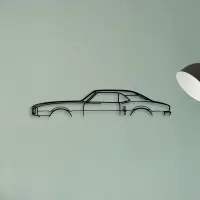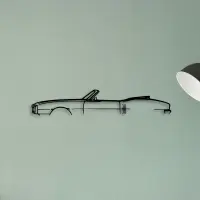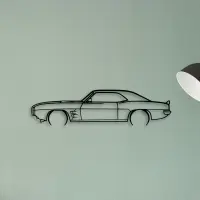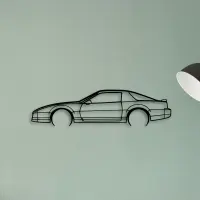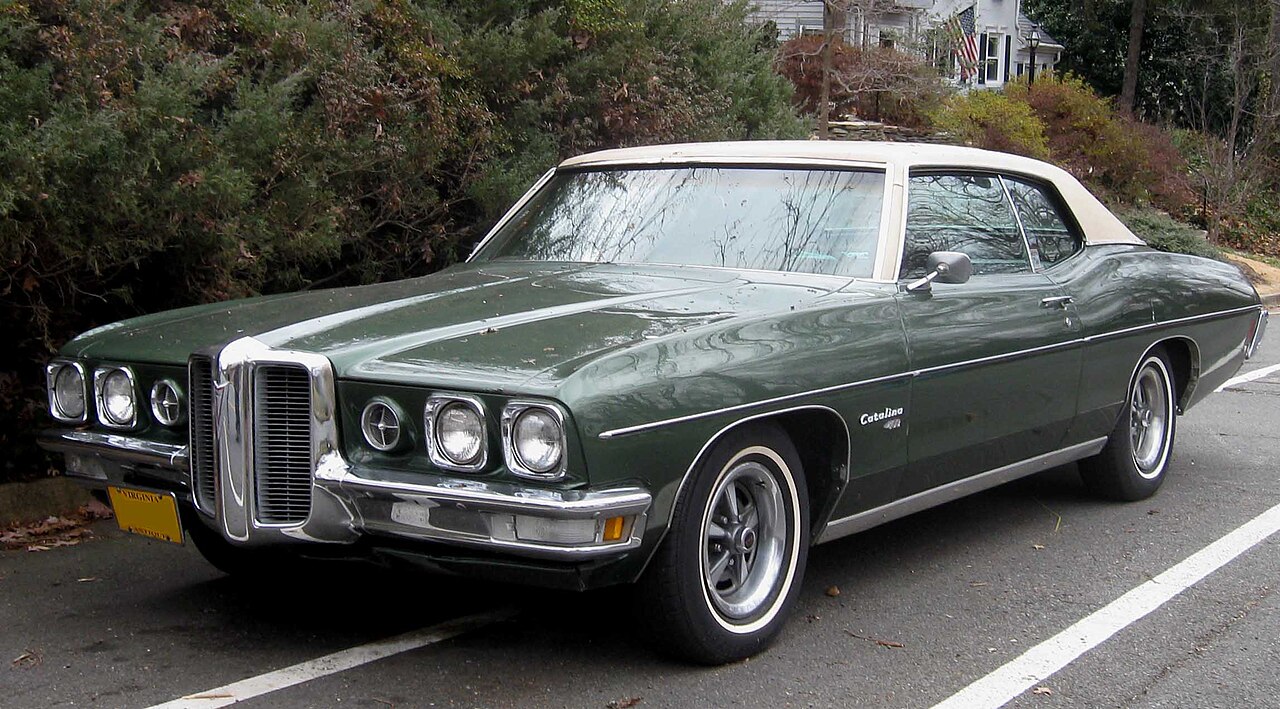
The Pontiac Firebird launched in 1967 as Pontiac's entry in the booming pony-car class, sharing General Motors' F-body platform with the Chevrolet Camaro. Across four generations it offered everything from a modest six-cylinder coupe to the wild Trans Am, and it stayed in production until 2002 — one of the longest runs of any American sports car.
Generations and evolution
First generation (1967–1969)
A clean, Camaro-based coupe with twin-scoop nose that introduced the Firebird name.
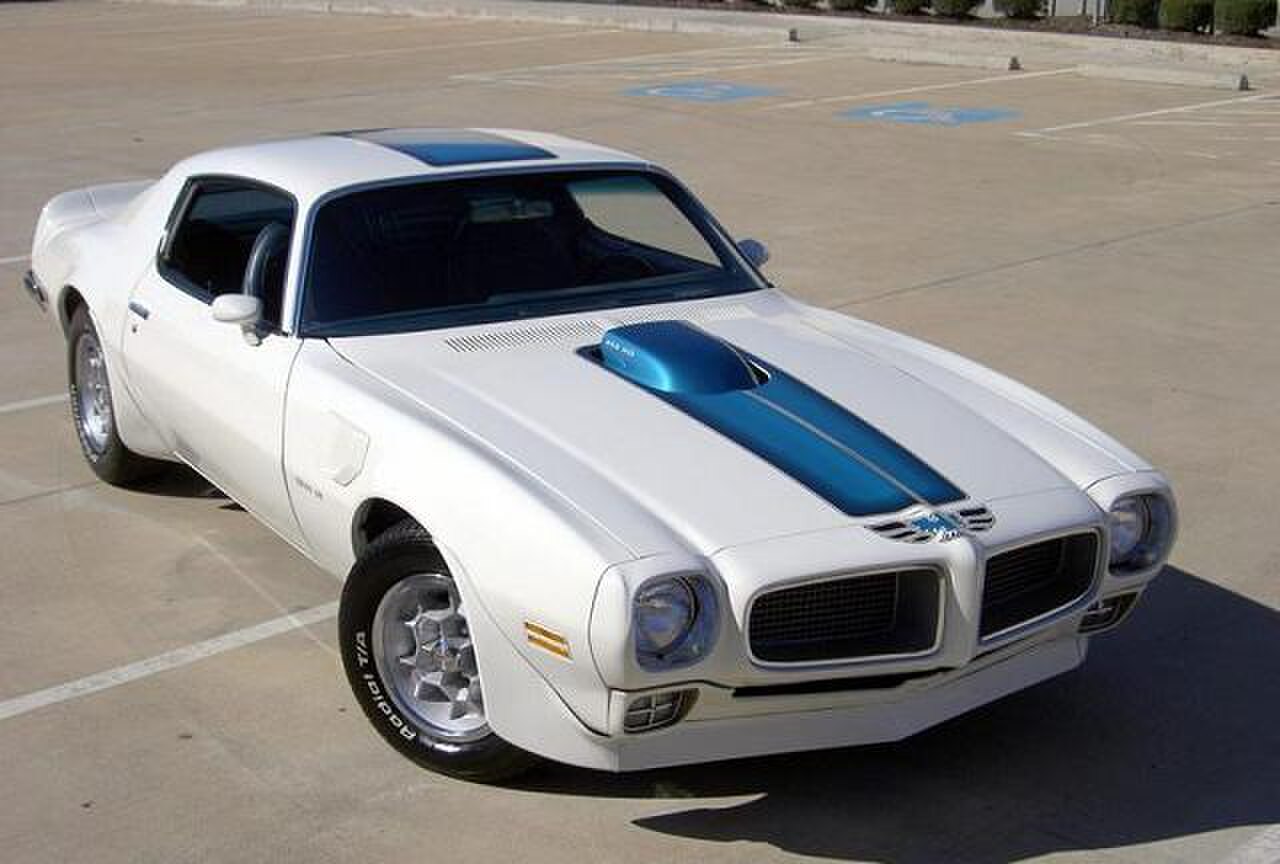
Second generation (1970–1981)
The big, bold muscle-era F-body; home of the 455 Super Duty, one of the fastest muscle cars of its day.
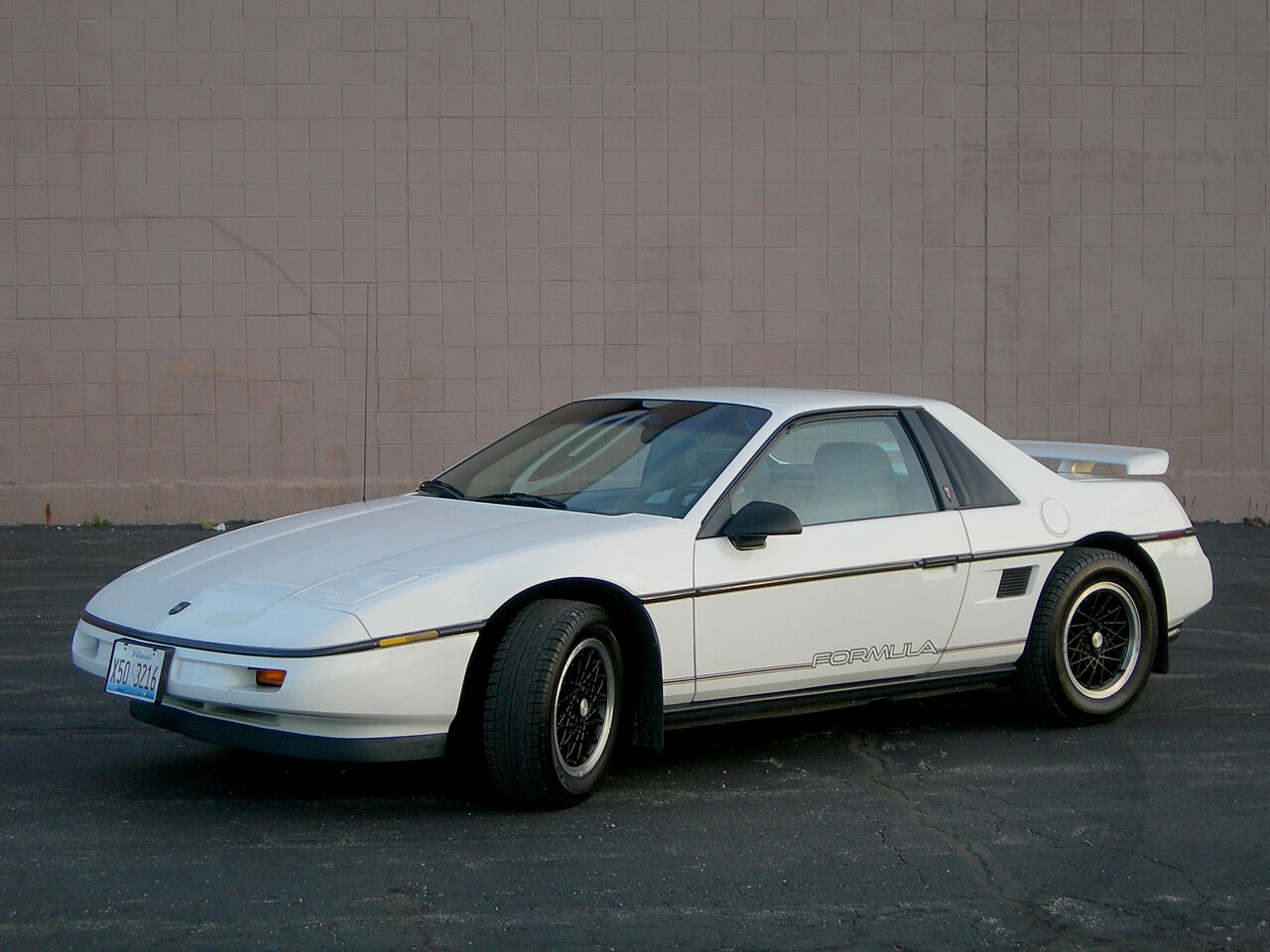
Third generation (1982–1992)
A wind-tunnel shape that carried the Firebird into the modern era and, as the Trans Am, onto television as KITT.
Fourth generation (1993–2002)
A refined, aerodynamic update with strong V8 options including the WS-ram-air Formula and the Firehawk.
Design language and the silhouette
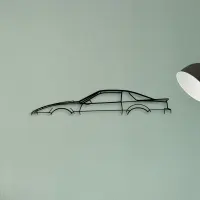
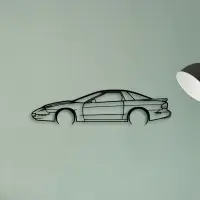
From the Coke-bottle second generation to the sleek third, the Firebird's silhouette tracks the whole arc of American car design — and its wide, low third-gen profile is the one most fans want on a wall. Because we cut every Tinvibe piece from 2 mm steel to the car's true outline, the traits that make the Pontiac Firebird recognizable — its roofline, stance and key details — are exactly what the metal keeps, in matte black powder coat across five sizes from 50 cm to 140 cm.
Production, sales and availability
Pontiac has not published a single combined Firebird total across all four generations, so we avoid quoting one. Production ended in 2002 as the F-body gave way to a changing market.
The Firebird in the Tinvibe collection
We cut the Pontiac Firebird as a laser-cut steel silhouette in five sizes from 50 cm to 140 cm, finished in matte black powder coat. The designs below are drawn from our catalogue for this nameplate.