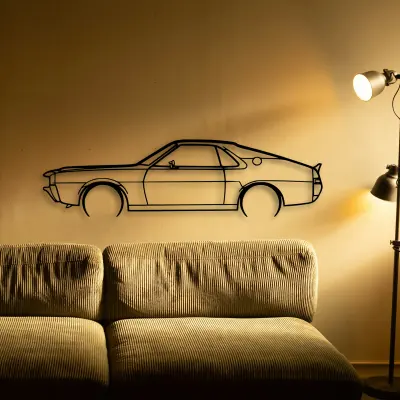
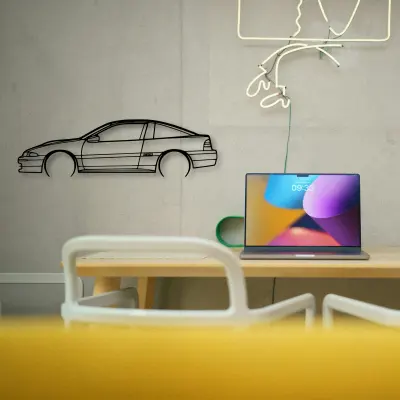
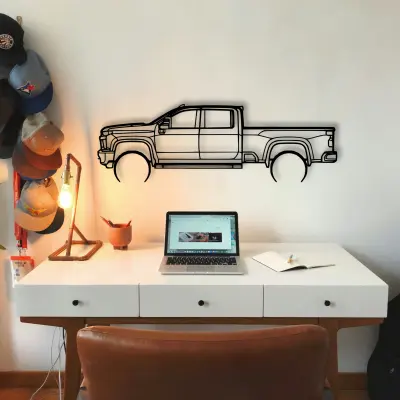
Most road trips are remembered in photos that never get printed. A SEAT cut outline turns the best of them into something you actually hang.
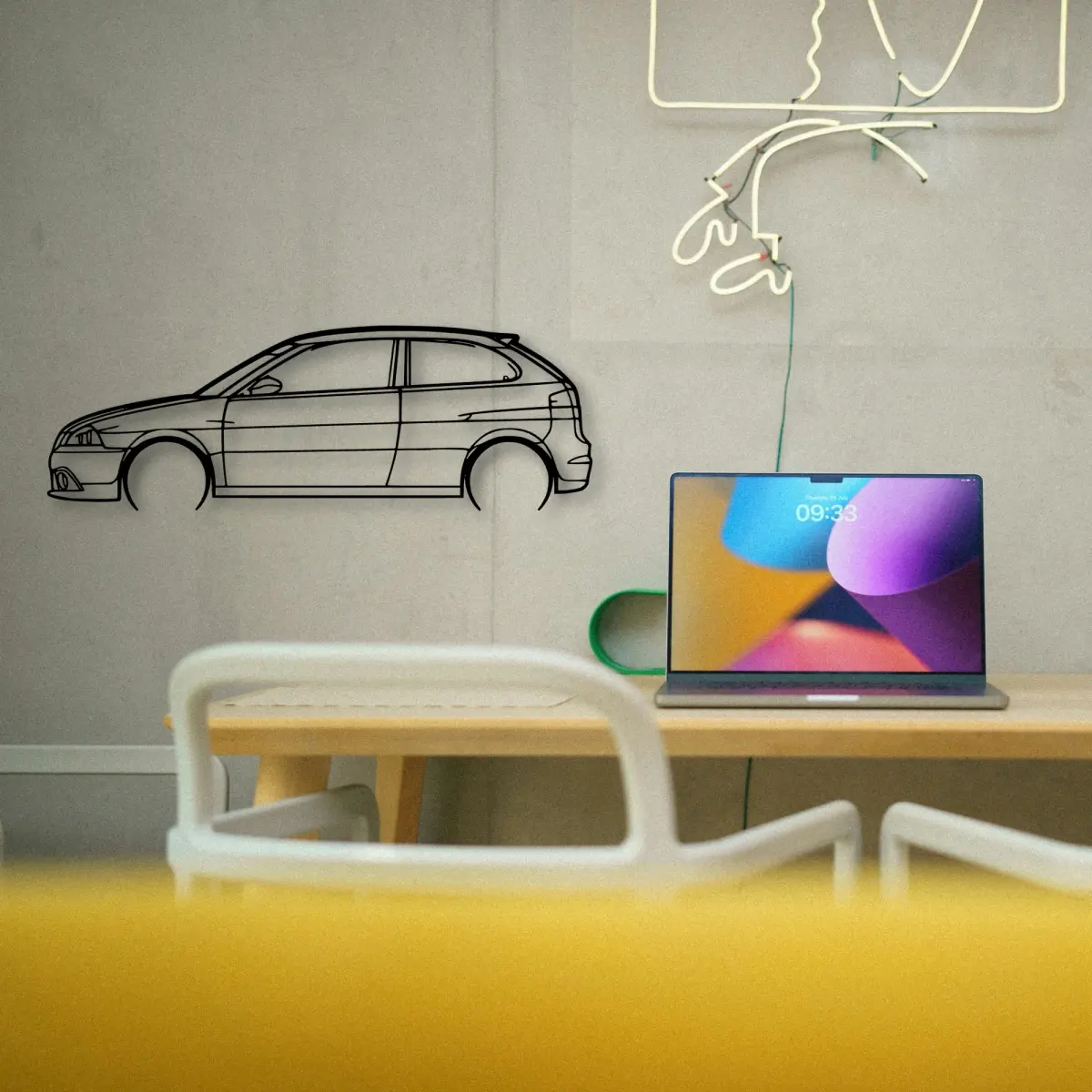
The Seat Ibiza 2006 dates to 2006, and that year's proportions are exactly what the cut outline keeps — the roofline and the stance are period-correct, not stylised.
At Tinvibe the SEAT is offered as a cut outline in five options, from 50 cm to 140 cm, finished for indoor wall display. The smaller sizes suit a shelf or a study; the larger sizes take a full shed.
Reading it from across the room
A SEAT shape has to work at distance, not just up close. At 120 cm it keeps its identifying line legible from the other end of the room.
More than one on the panel
If you collect drives, let the SEAT be one of a set with a rule. Next to its rivals, the differences are obvious.
Build the set
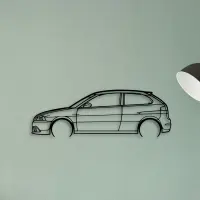
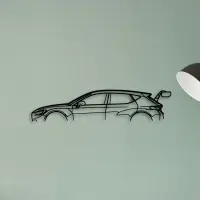
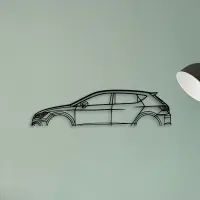
The wind-down wall
For a SEAT fan, the evening wall is the debrief. One shape, no words needed.
Era written into the line
Period is baked into proportion. A SEAT from one decade sits differently from another, and a shape is the fastest way to see that gap.
Five options for the memory
Five options, one outline. The SEAT is offered from a 50 cm shelf piece up to a 140 cm statement, all cut to the same profile.
- 50 cm — a shelf or a study; an accent, not a feature.
- 80 cm — still modest, but reads across a doorway.
- 100 cm — the safe feature-wall default.
- 120 cm — for rooms where the car is the subject.
- 140 cm — the full statement piece.
A neutral wall is a gift. It lets the cut do the talking without competing colour.
Give it room to mean something. A shape left alone on a clear wall says more than the same shape lost in a crowd.
Think in edges, not pictures. The cut defines the object, and the shape defines the cut.
The shadow line is the second drawing. Where it falls tells you as much as the metal itself.
Start with one. A single correct piece teaches the eye what the rest of the panel should do.
A shape ages better than a photograph. There is no moment to date it and no colour to fall out of fashion.
Depth comes from the shadow. The gap between metal and wall is part of the composition, not a flaw.
Recognition is the whole point. The outline is built so the car reads before the words do.
Metal keeps its line. Unlike paper, it will not curl, fade, or bow under a warm lamp.
A piece does not need a frame to feel finished. The cut edge is the frame.
Colour is optional here. The outline carries the identity, so the panel behind it can stay exactly as it is.
Quiet rooms suit a smaller shape; loud rooms need one that can hold its own from across the space.
Resist the urge to fill. An empty margin around the outline is what makes it feel considered.
Wall decor works best when it earns its place rather than filling a gap. A single well-chosen outline does more than a row of hesitant decoration.