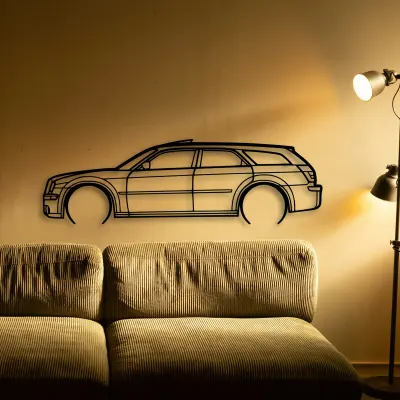
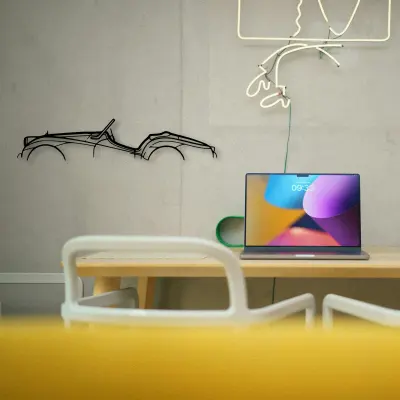
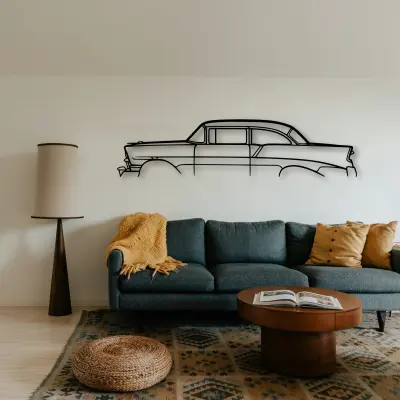
Most road trips are remembered in photos that never get printed. A Dodge cut-metal silhouette turns the best of them into something you actually hang.
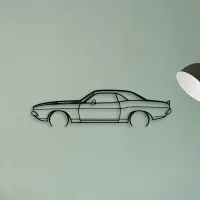
The Dodge Challenger 1970 dates to 1970, and that year's proportions are exactly what the cut outline keeps — the roofline and the stance are period-correct, not stylised.
At Tinvibe the Dodge is offered as a cut-metal silhouette in five sizes, from 50 cm to 140 cm, finished for indoor wall display. The smaller sizes suit a shelf or a study; the larger sizes take a full living room.
More than one on the wall
If you collect drives, let the Dodge be one of a set with a rule. Next to its rivals, the differences are obvious.
Build the set
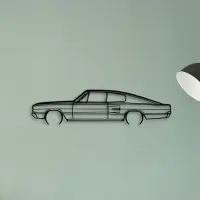
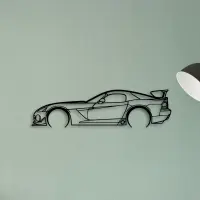
Stop where the light is good
Plan a pull-in where the sun rakes the body. A Dodge silhouette on the wall later will thank you for the clean shot on the road.
Why it suits a garage wall
A Dodge in cut metal belongs in the spaces cars actually live in. Over a workbench or a parked car it reads instantly.
Reading it from across the room
A Dodge silhouette has to work at distance, not just up close. At 120 cm it keeps its identifying line legible from the other end of the room.
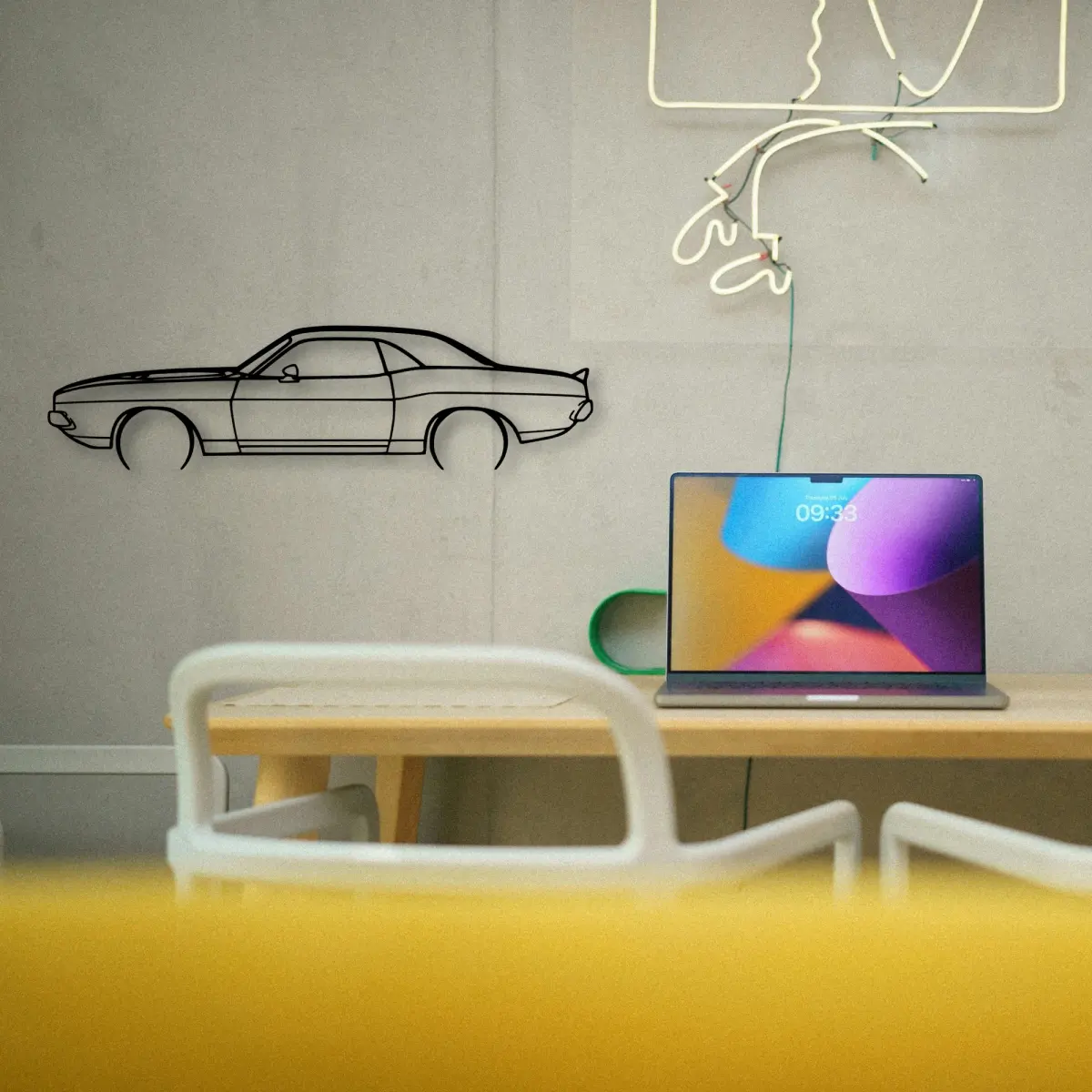
Honest material, no colour
Because the Dodge comes in bare cut metal, every proportion is exposed. That is harder than a photograph, and it is why a good outline feels earned.
Five sizes for the memory
Five sizes, one outline. The Dodge is offered from a 50 cm shelf piece up to a 140 cm statement, all cut to the same profile.
- 50 cm — a shelf or a study; an accent, not a feature.
- 80 cm — still modest, but reads across a doorway.
- 100 cm — the safe feature-wall default.
- 120 cm — for rooms where the car is the subject.
- 140 cm — the full statement piece.
A dedicated wall beats a crowded one. Give the car room and it repays the attention.
A row of identical small frames fights itself. One larger outline settles the wall instead.
Small changes in height read as care. Keep the horizon line steady when you group more than one.
A single strong subject is easier to live with than a wall that argues with itself.
Hang it where the light lands first. The edge you notice on the way in is the edge worth cutting.
Hang two that differ in length, not in mood, and they read as a pair rather than a repeat.
A neutral wall is a gift. It lets the cut do the talking without competing colour.
A piece does not need a frame to feel finished. The cut edge is the frame.
Give it room to mean something. A silhouette left alone on a clear wall says more than the same shape lost in a crowd.
The wall behind should be the quietest thing in the room. Let the outline be the loud part.
Placement is a quiet decision. Eye level for a feature wall, slightly above a desk, and well clear of a door swing that would clip it.
Pick the outline that matches the room's energy: calm spaces want restraint, busy ones want a statement.