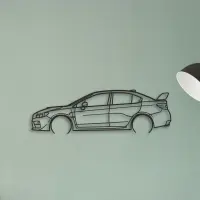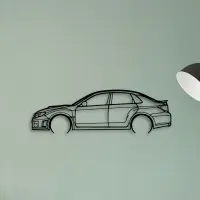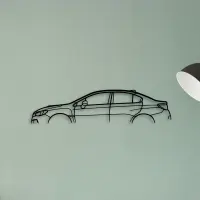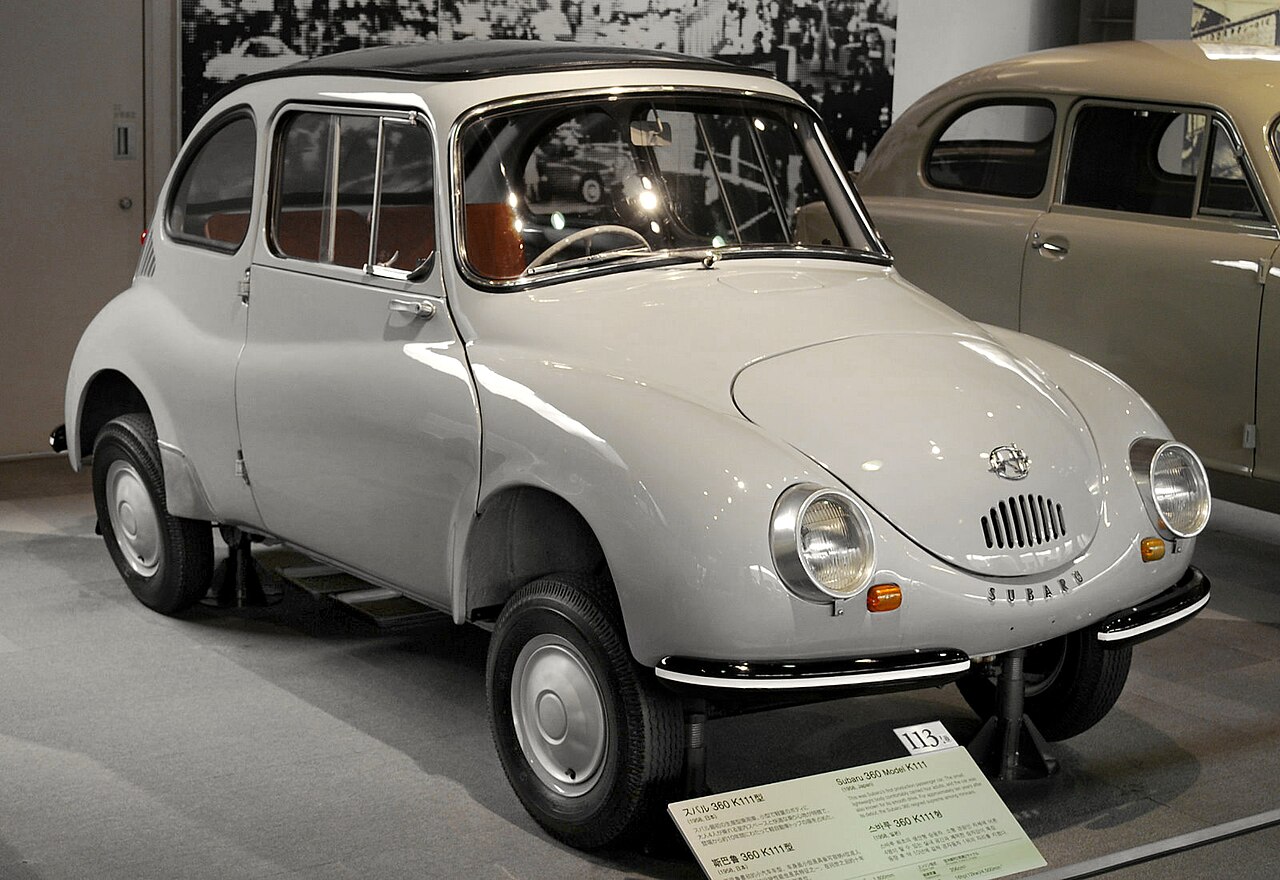
The Subaru WRX arrived in 1992 as the road-going version of Subaru's World Rally Championship Impreza, packing a turbocharged flat-four engine and symmetrical all-wheel drive into a practical four-door. That combination of grip, boost and everyday usability made it an instant tuner favourite and one of the most distinctive performance cars of the 1990s and 2000s.
Generations and evolution
GC8 (1992–2000)
The original Impreza-based WRX and the harder-core WRX Type R STI, straight from Subaru's rally programme.
GD/GG (2000–2007)
The 'bug-eye' then 'hawk-eye' generations brought the WRX to more markets and, in STI form, serious track credibility.
GR/GV and later (2007–present)
The WRX became its own model line, wide-body and increasingly powerful while keeping the flat-four turbo and AWD formula.
Design language and the silhouette
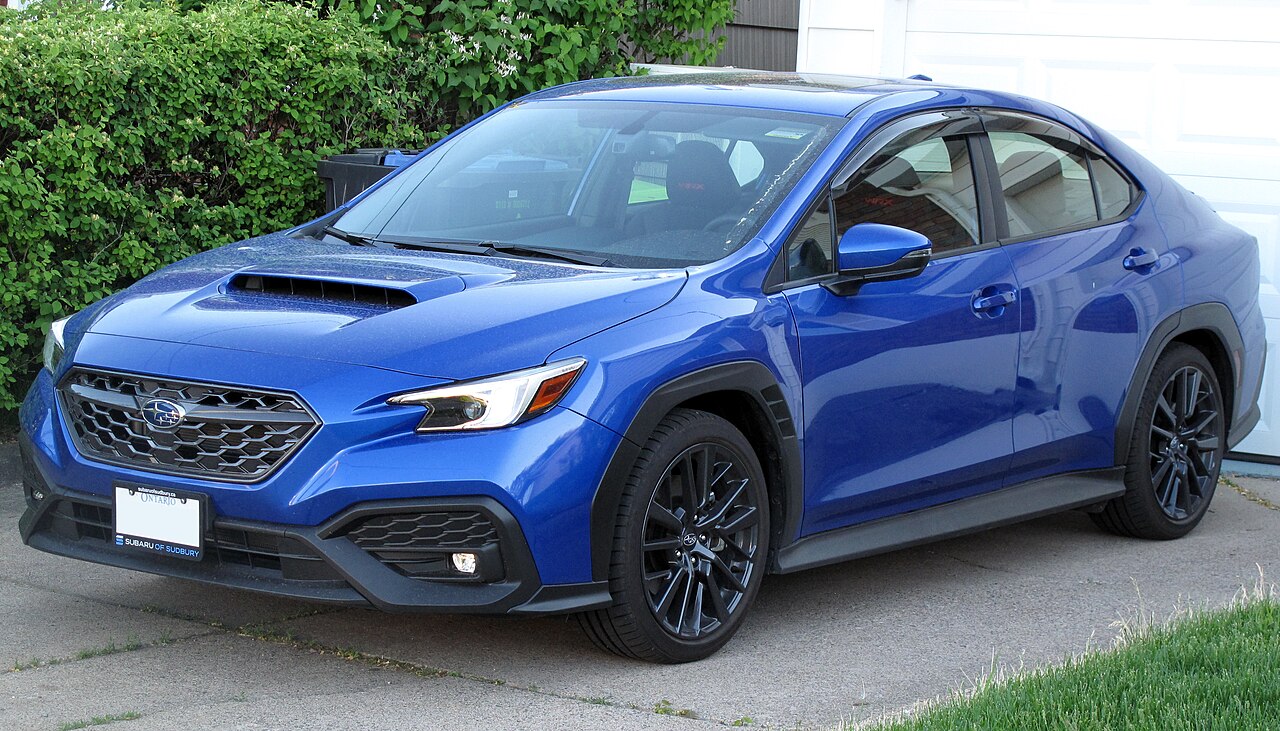
Boxy, purposeful and wing-ed: the WRX's upright stance, hood scoop and flared arches are rally-car cues you can actually use on the road — a shape that signals exactly what it is. Because we cut every Tinvibe piece from 2 mm steel to the car's true outline, the traits that make the Subaru WRX recognizable — its roofline, stance and key details — are exactly what the metal keeps, in matte black powder coat across five sizes from 50 cm to 140 cm.
Production, sales and availability
Subaru has not published a single combined WRX total across all generations, so we avoid quoting one. It has remained in production, evolving while keeping its rally-bred character.
The WRX in the Tinvibe collection
We cut the Subaru WRX as a laser-cut steel silhouette in five sizes from 50 cm to 140 cm, finished in matte black powder coat. The designs below are drawn from our catalogue for this nameplate.