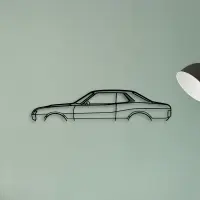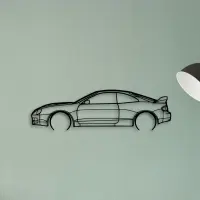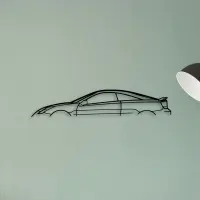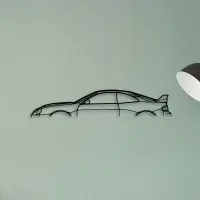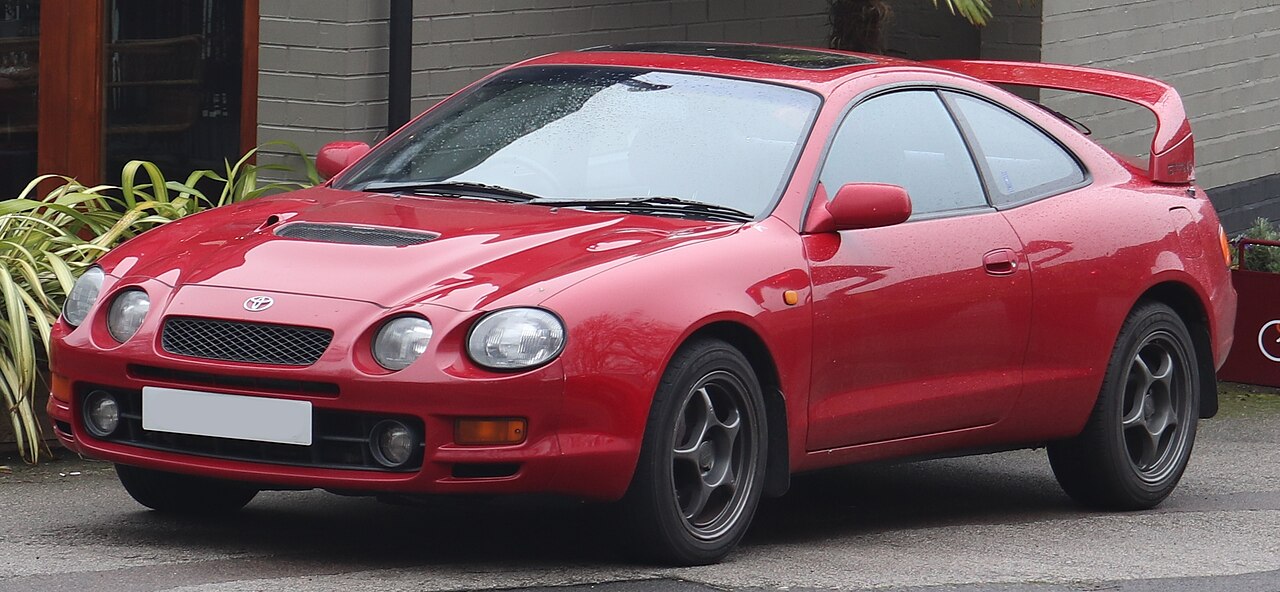
The Toyota Celica launched in 1970 as a stylish, compact coupe and quickly became one of Toyota's most popular sports models. Across seven generations it evolved from a simple liftback into a serious performance car, and the turbocharged, all-wheel-drive Celica GT-Four carried Toyota to World Rally Championship glory with Carlos Sainz at the wheel.
Generations and evolution
First and second generations (1970–1977)
The original stylish coupe and liftback that established the Celica as a sporty, affordable Toyota.
Third to fifth generations (1977–1993)
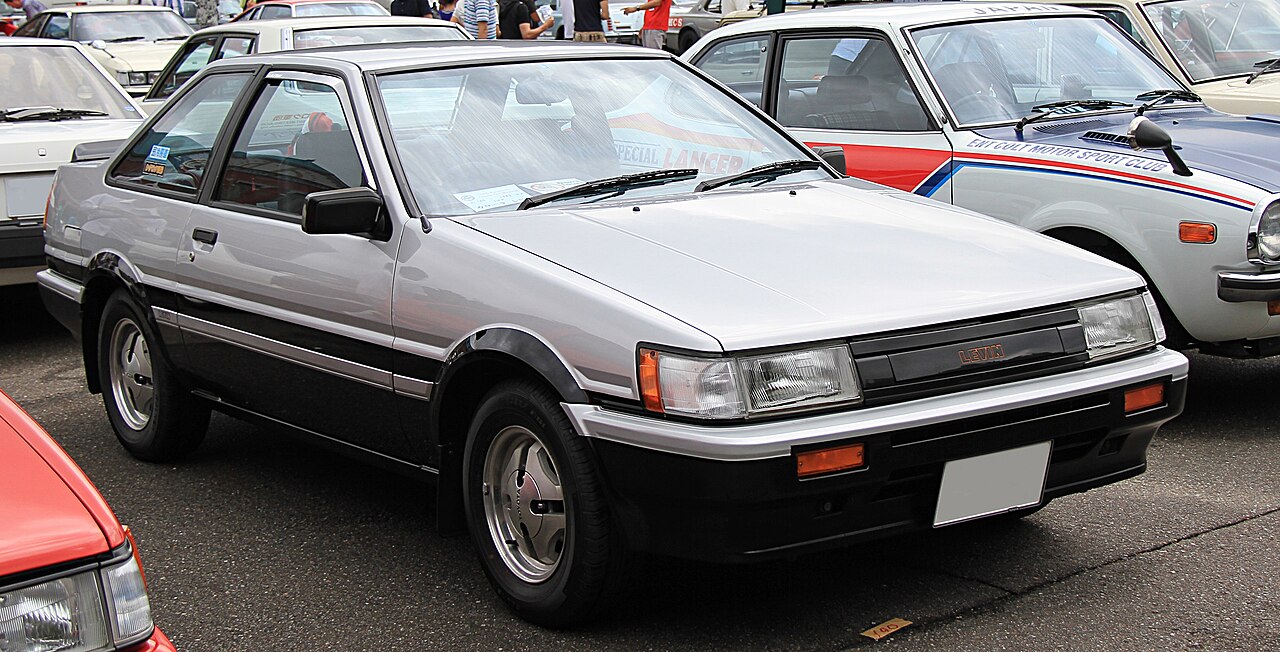
A long run of increasingly aerodynamic coupes and liftbacks, including the pop-up-headlight fourth generation.
Sixth generation ST184/GT-Four (1989–1993)
The rally-bred GT-Four, with a turbo engine and all-wheel drive, that took Toyota into top-level rallying.
Seventh generation (1993–2006)
A rounder, more modern design with front-wheel drive, including the SS-I, SS-II and the celebrated GT-Four ST205.
Design language and the silhouette
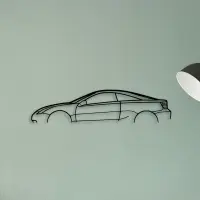
The Celica's silhouette spans three decades of sports-coupe design, from the crisp first-generation liftback to the curvy seventh-gen coupe — but the wide, low GT-Four with its hood scoop is the rally hero most fans remember. Because we cut every Tinvibe piece from 2 mm steel to the car's true outline, the traits that make the Toyota Celica recognizable — its roofline, stance and key details — are exactly what the metal keeps, in matte black powder coat across five sizes from 50 cm to 140 cm.
Production, sales and availability
Toyota has not published a single combined Celica total across all seven generations, so we avoid quoting one. Production ended in 2006, and the GT-Four models are the most collectible.
The Celica in the Tinvibe collection
We cut the Toyota Celica as a laser-cut steel silhouette in five sizes from 50 cm to 140 cm, finished in matte black powder coat. The designs below are drawn from our catalogue for this nameplate.