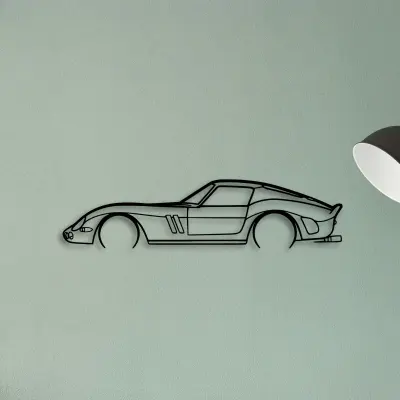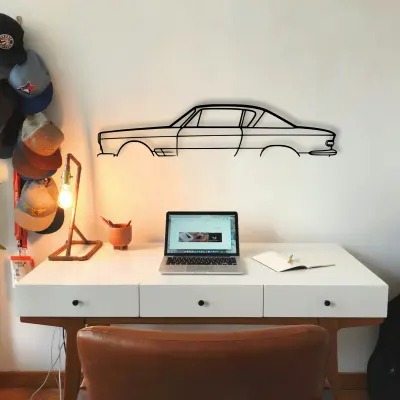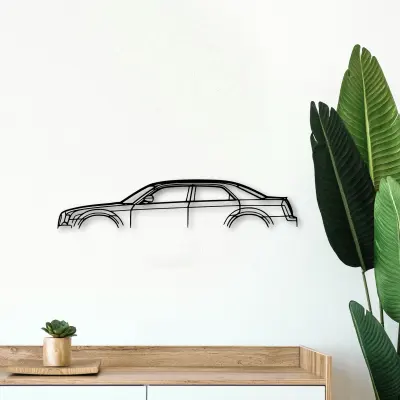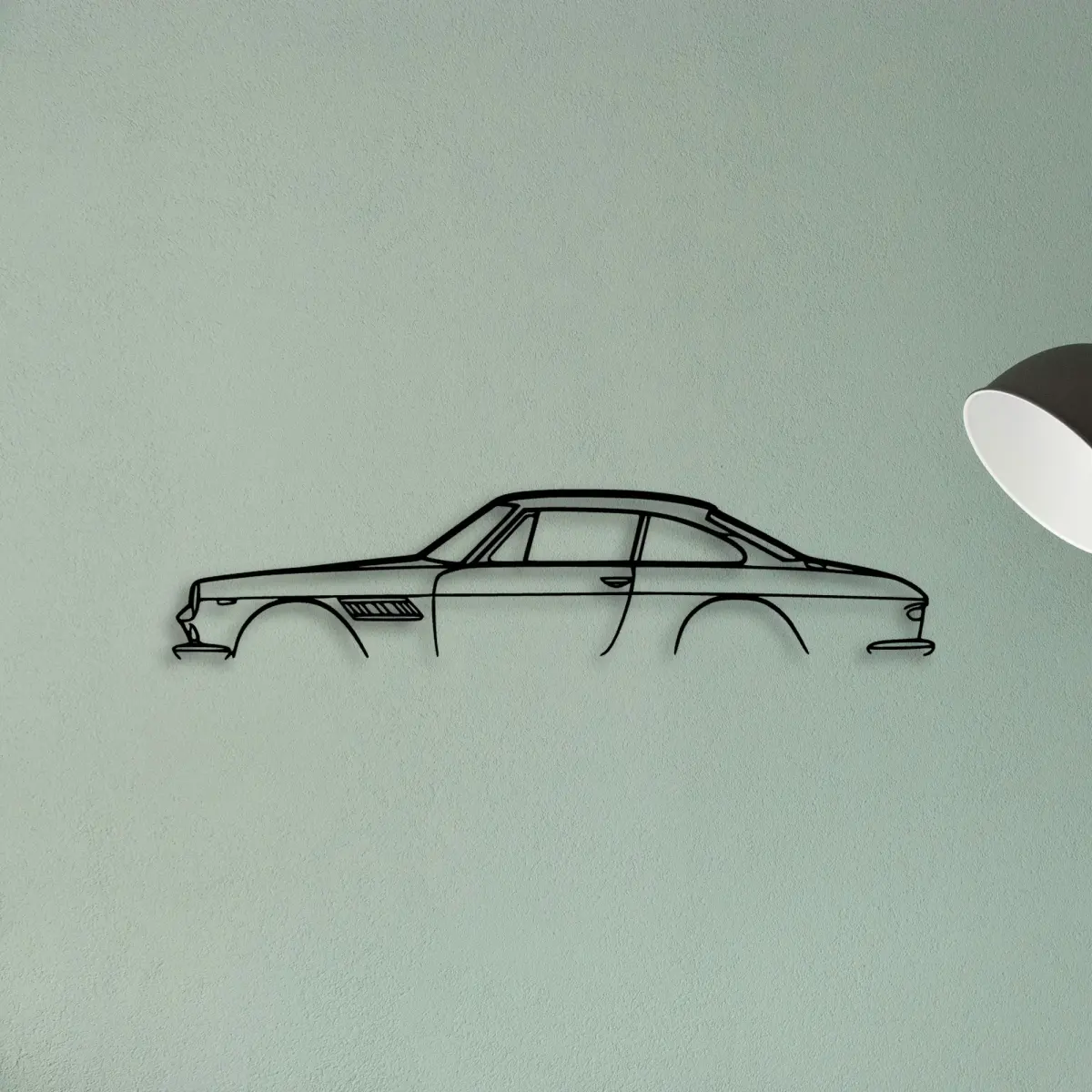
The 1960s is the most popular decade in our range, and it produces the most returns. Not because the pieces are wrong, but because buyers make the same four predictable mistakes. All of them are avoidable with a tape measure and five minutes.
Mistake 1: Wrong size for the wall
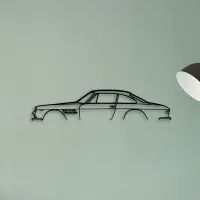
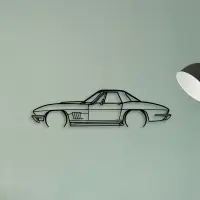
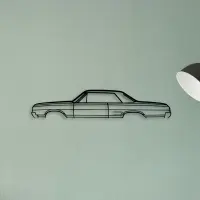
1960s designs tend to be long and low, which makes them look smaller than they are. A 120 cm piece from this decade can read as a 100 cm piece from a taller decade.
- Measure the wall width first, then subtract 60 cm for clearances on each side.
- If the remaining space is under 100 cm, do not buy the 120 cm size.
- Long, low designs need more width than tall ones to look balanced.
Long, low 1960s profiles that need width
Mistake 2: Poor hanging height
1960s pieces get hung too high because they are long and horizontal, and a long horizontal shape looks like it belongs up high. It does not.
- Aim for a vertical centre of 145–155 cm in living spaces.
- In hallways, drop it to 140 cm centre — you walk past these, you do not stand in front of them.
- Above furniture, leave 20–25 cm between the furniture top and the piece bottom.
Mistake 3: Clashing finishes
Our pieces are matte black powder-coated steel. That is a neutral, and it works against almost everything — but not everything.
- Against a very dark wall, a matte black piece loses its edge. Use a mid-tone or light wall.
- Against high-gloss paint or a mirrored surface, the matte finish reads as flat. Prefer a matt or eggshell wall.
- Next to brushed metal or chrome, matte black can look like a shadow. Separate them with a lighter piece or more space.
Mistake 4: Overcrowding
The 1960s range is deep enough that it is tempting to buy five pieces at once. Five pieces from one decade on one wall is almost always too many unless the wall is very large.
- Three pieces is the sweet spot for a single-decade wall.
- If you want more than three, mix decades — that gives the eye something to organise.
- Keep the spacing consistent. Uneven gaps are what actually make a wall look crowded, not the number of pieces.
Most disappointing 1960s walls are not badly chosen — they are badly sized or badly hung. The pieces were fine.
Mistake 5: Buying on model name alone
The 1960s range is deep enough that several designs share a silhouette while differing only in badge and detail. Two coupés from the same decade and the same marque can be almost indistinguishable as cut metal, which means you can end up with two pieces that look like a printing error rather than a choice.
The fix is to compare outlines rather than names. Hold the profile of the piece you are considering against the ones you already own, and ask whether someone standing three metres away could tell them apart. If the answer is no, choose a different body style or a different decade instead of buying a second piece that reads as the first.
A five-minute pre-purchase check
- Measure the wall width and subtract 60 cm for clearances on each side.
- Decide the vertical centre before you buy — 145 to 155 cm in living spaces.
- Check the wall colour. Matte black needs a mid-tone or light wall to keep its edge.
- Count the pieces you already own from this decade. Three is usually the limit on one wall.
- Compare the new outline against what is already hanging, not against the model name.