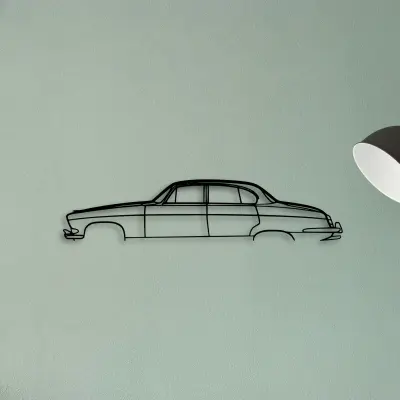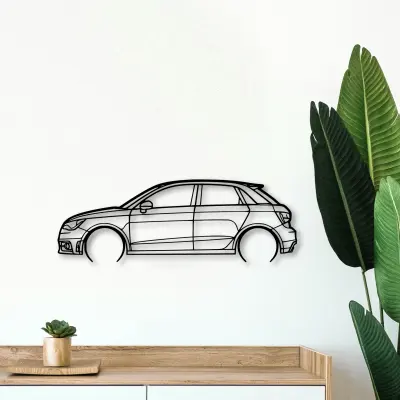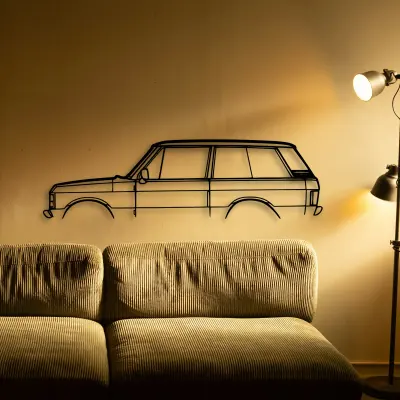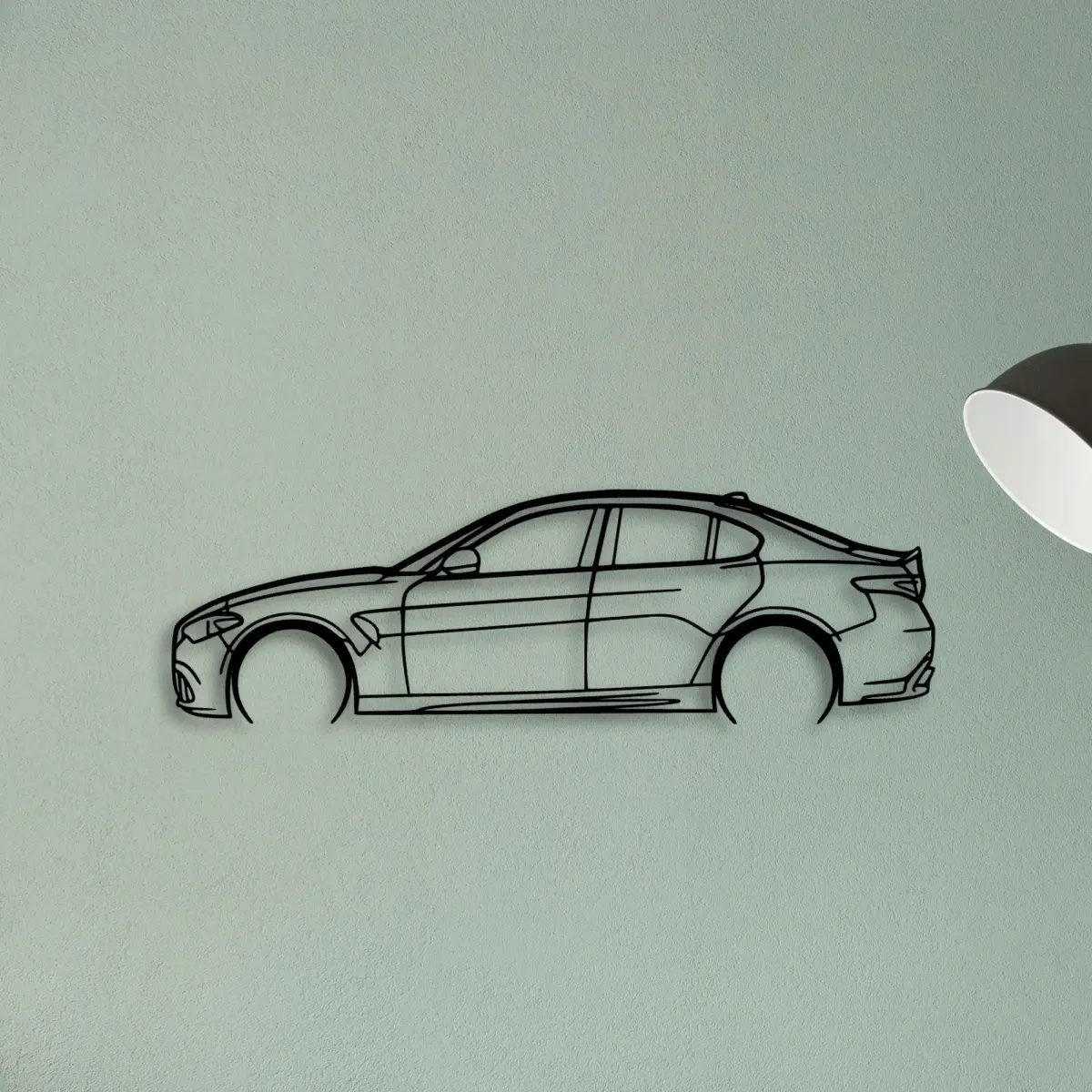
The 50 cm size is the cheapest way into the range and the easiest place to make a mistake. It is genuinely good in the right room and genuinely disappointing in the wrong one. This article is about telling those two situations apart before you spend anything.
Why start at this size
There are three good reasons to start here rather than at a larger size, and one situation where you should skip it entirely.
- It tells you whether you actually like the piece. A design you love at 50 cm you will love at 140 cm. A design you are unsure about is much cheaper to discover at 50 cm.
- It fits almost anywhere. Narrow hallways, above a desk, beside a door frame, in a bathroom-adjacent space — 50 cm goes where larger pieces cannot.
- It is the natural size for a group. Three or four 50 cm pieces in a grid cost less than one 120 cm piece and fill more wall.
Where it works
50 cm works when it is viewed close up. That means hallways, the wall beside a desk, the space above a sideboard, or a small bathroom-adjacent wall. It also works as part of a deliberate group of small pieces.
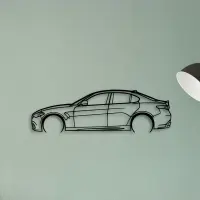
Choose a design with strong, simple shapes for this size. The Giulia 2 works because its profile is clean and reads at a glance. A design with a lot of internal detail — complex haunches, multiple shut lines — will lose those details at 50 cm.
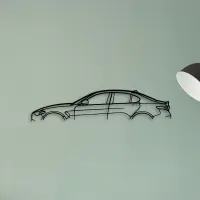
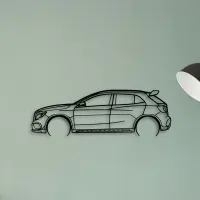
Three designs that read well at 50 cm
Where it does not work
- Above a sofa in a living room. At 50 cm it will look like a misplaced ornament.
- On a large empty wall. With nothing to give it scale, 50 cm reads as small rather than considered.
- Anywhere it will be viewed from more than three metres. The outline softens and the piece stops reading as a car.
Upgrading later
The honest answer about upgrading is that a 50 cm piece rarely becomes the wrong purchase — it becomes a group piece. Most people who start at 50 cm end up with two or three of them plus one larger anchor, which is a better wall than a single mid-size piece would have been.
If you do decide to move up, keep the small piece rather than replacing it. Move it to a hallway or a smaller wall where 50 cm is the right size, and buy the larger piece for the room it was struggling in.
Common regrets
- Buying a complex design at this size. Simple shapes survive; detailed ones do not.
- Hanging it too high. At 50 cm the piece should sit below normal eye level, around 140–150 cm centre, or it disappears entirely.
- Expecting it to anchor a room. It will not. It is a supporting piece or a group piece, not a focal point.
- Choosing a design purely because it is cheap at this size. The size ladder is flat — every design costs the same at 50 cm — so pick on shape, not price.
What it teaches you
The most useful thing about starting at 50 cm is that it separates liking a design from liking the idea of a design. Some outlines that look exciting in a catalogue are disappointing at scale, and the reverse is also true — a shape you skim past can be the one that works on a wall. Finding that out for the price of the smallest size is a good trade.
It also teaches you about your own walls. Most people discover that the wall they had in mind is narrower than they remembered, or that the furniture they planned to hang above is wider than the piece they chose. A 50 cm piece exposes those problems without costing much to correct, and the lesson carries into every later purchase.
When to skip this size entirely
If you already know the wall and you already know the design, buy the size that fits the wall. Starting small only makes sense when one of those two things is uncertain. If neither is, a 50 cm piece is simply the wrong size — it will look like a token rather than a decision, and you will end up buying the right size within a month.