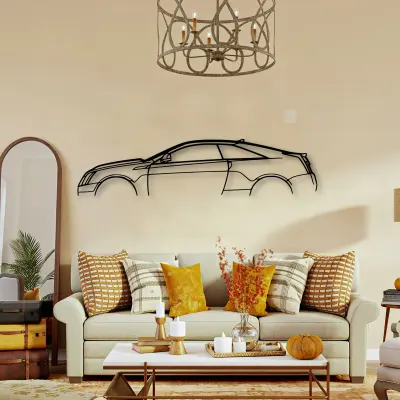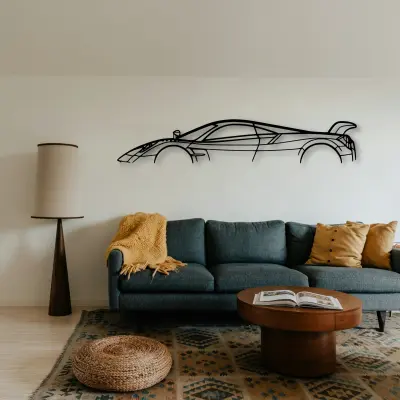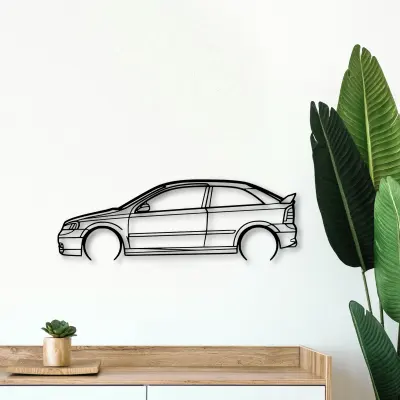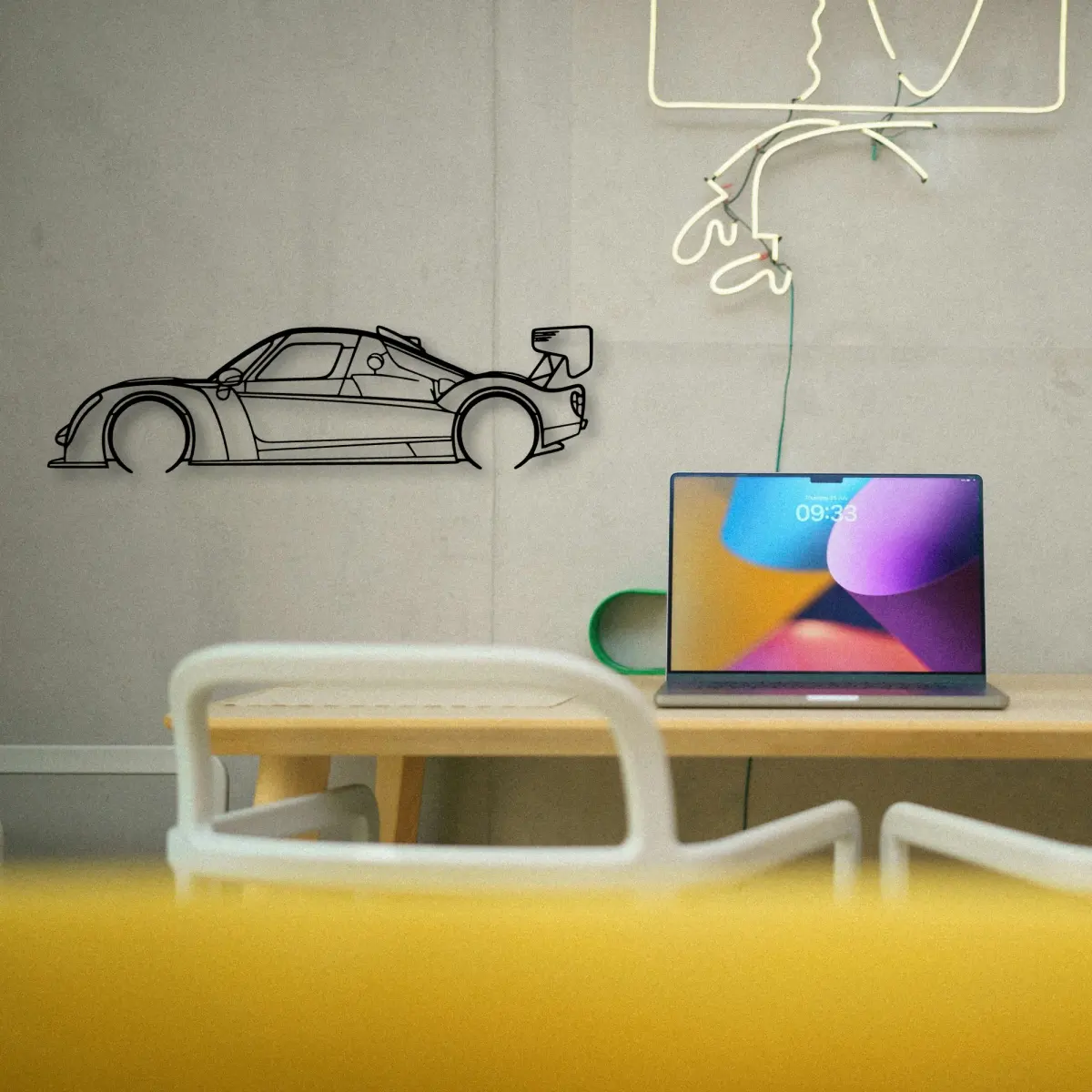
A laser-cut Radical & KTM piece carries no colour of its own, which makes it a forgiving subject — and a demanding one, because every shadow counts.
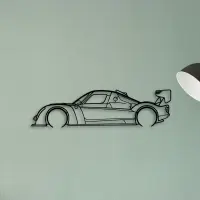
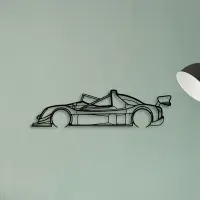
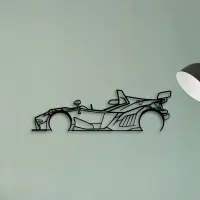
The Radical & Ktm Rxc 2014 dates to 2014, and that year's proportions are exactly what the cut outline keeps — the roofline and the stance are period-correct, not stylised.
What makes the Radical & KTM work as metal art is that it carries no colour of its own. Cut from sheet metal and finished for display indoors, it sits quietly in almost any room while the outline does the talking.
More than one on the backing
A row of Radical & KTM outlines, each a different car, turns a wall into a timeline you can read at a glance.
Build the set
Why it suits a den wall
Garages reward honest shapes. The Radical & KTM cut from steel belongs there in a way a framed poster never quite does.
Height is a quiet decision
For a Radical & KTM outline, height is a small choice with a large effect. Centre it on the clear wall space, clear of door swings.
Fixings and the backing
Every Radical & KTM piece ships with the fixings needed to mount it. On a solid wall, a single anchor per tab is enough for the weight of cut steel.
Reading it from across the room
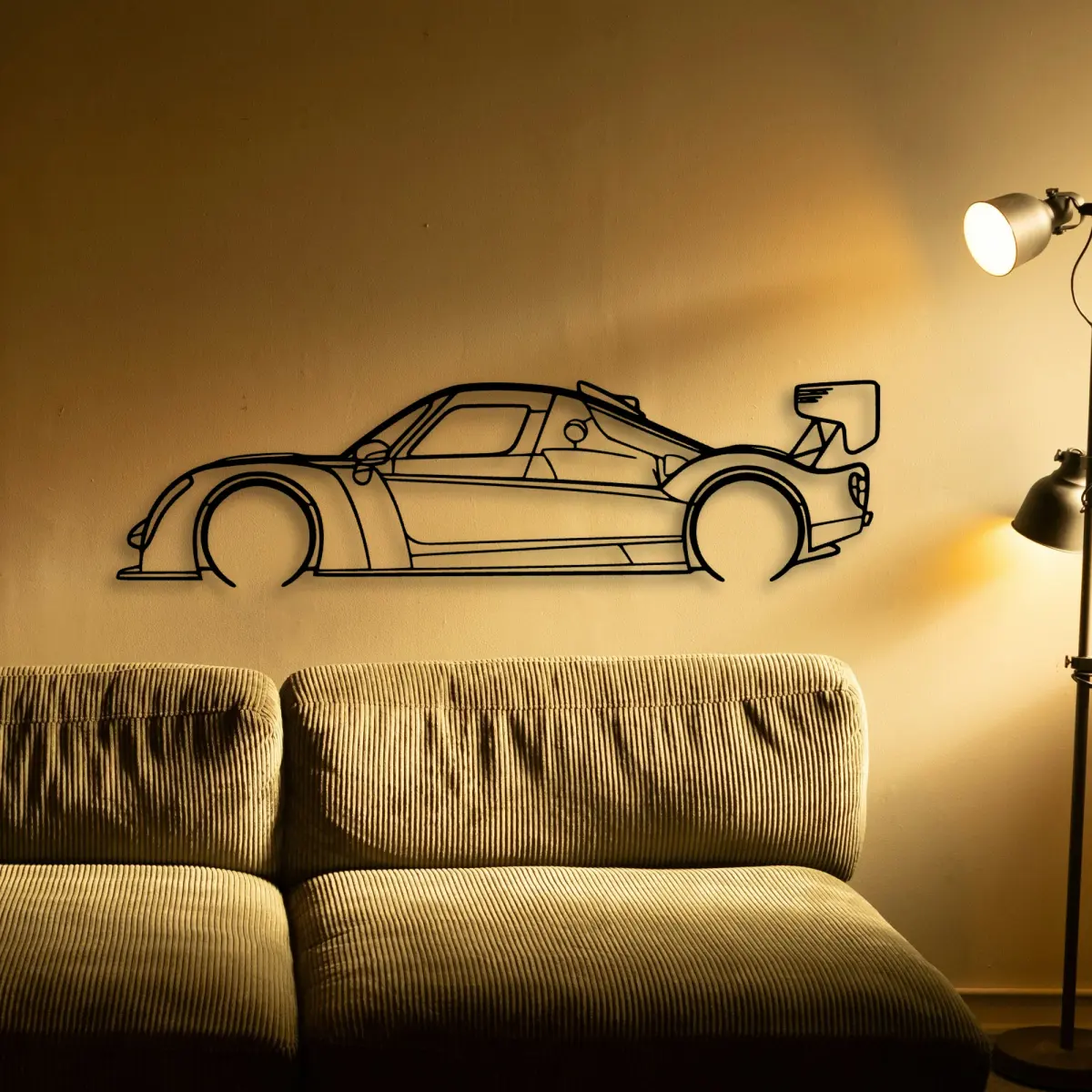
Up close you admire the cut; from across the room you recognise the Radical & KTM. The piece is designed so both readings land.
Size ladder, one outline
Every Radical & KTM profile comes in the same size ladder: 50 cm, 80 cm, 100 cm, 120 cm and 140 cm. The price steps with the size, from $69.95 to $209.95.
- 50 cm — a shelf or a study; an accent, not a feature.
- 80 cm — still modest, but reads across a doorway.
- 100 cm — the safe feature-wall default.
- 120 cm — for rooms where the car is the subject.
- 140 cm — the full statement piece.
Think in edges, not pictures. The cut defines the object, and the shape defines the cut.
The shadow line is the second drawing. Where it falls tells you as much as the metal itself.
The best wall pieces are the ones you stop seeing as decor and start reading as a subject.
A single strong subject is easier to live with than a wall that argues with itself.
Start with one. A single correct piece teaches the eye what the rest of the backing should do.
Scale matters more than people expect. A piece that is too small disappears; one that is sized to the backing reads as intentional from the doorway.
Lighting decides the mood. An even wash from above flatters the edge; a single hard spotlight only hardens one corner.
Read it from the doorway, not up close. The whole point is the gesture the line makes at a distance.
The room sets the size. A busy wall wants a bigger outline to hold its own; a calm wall lets a smaller piece breathe.
Depth comes from the shadow. The gap between metal and wall is part of the composition, not a flaw.
The right size is the one you forget to notice because it fits the backing so well.