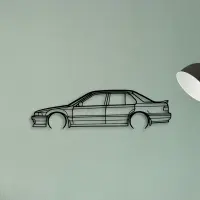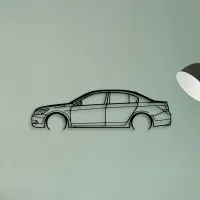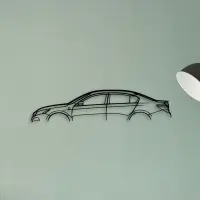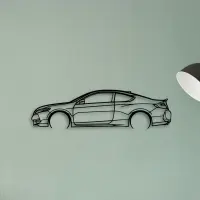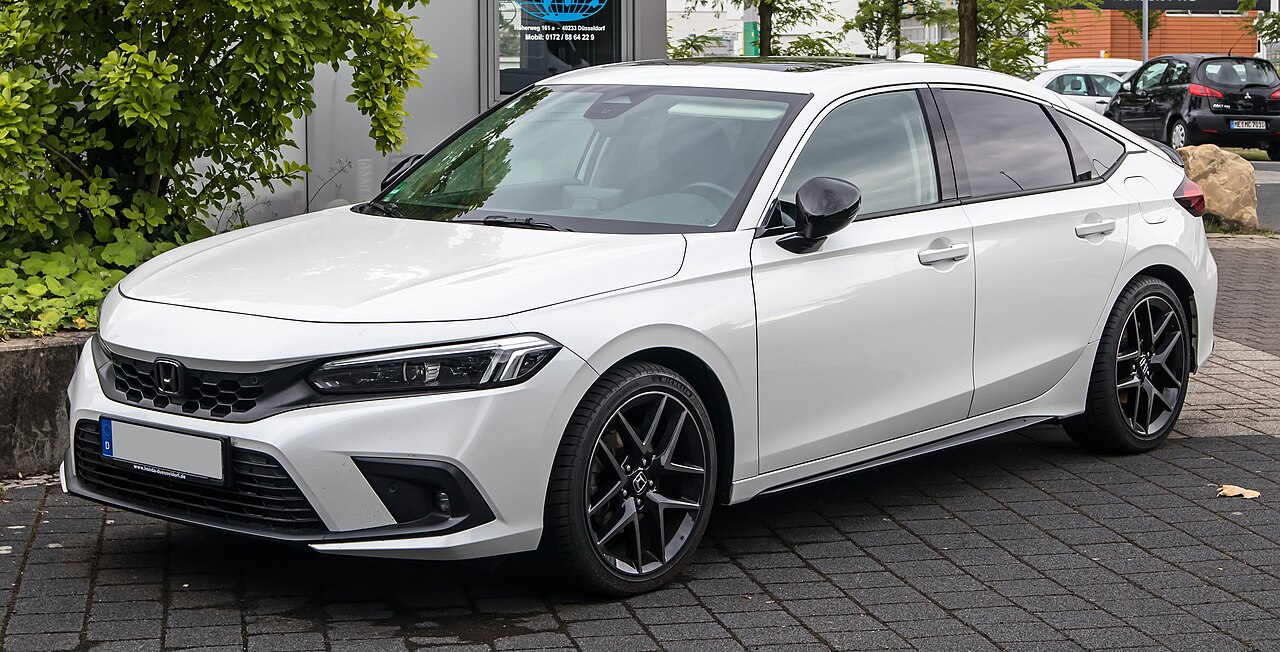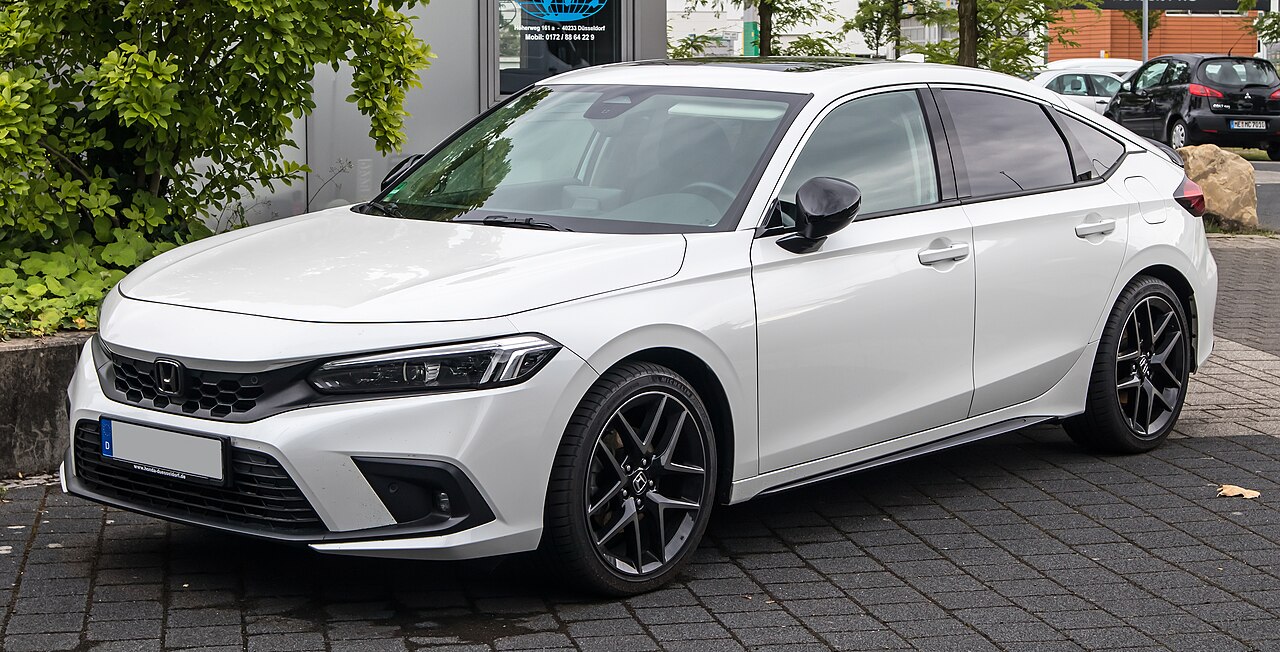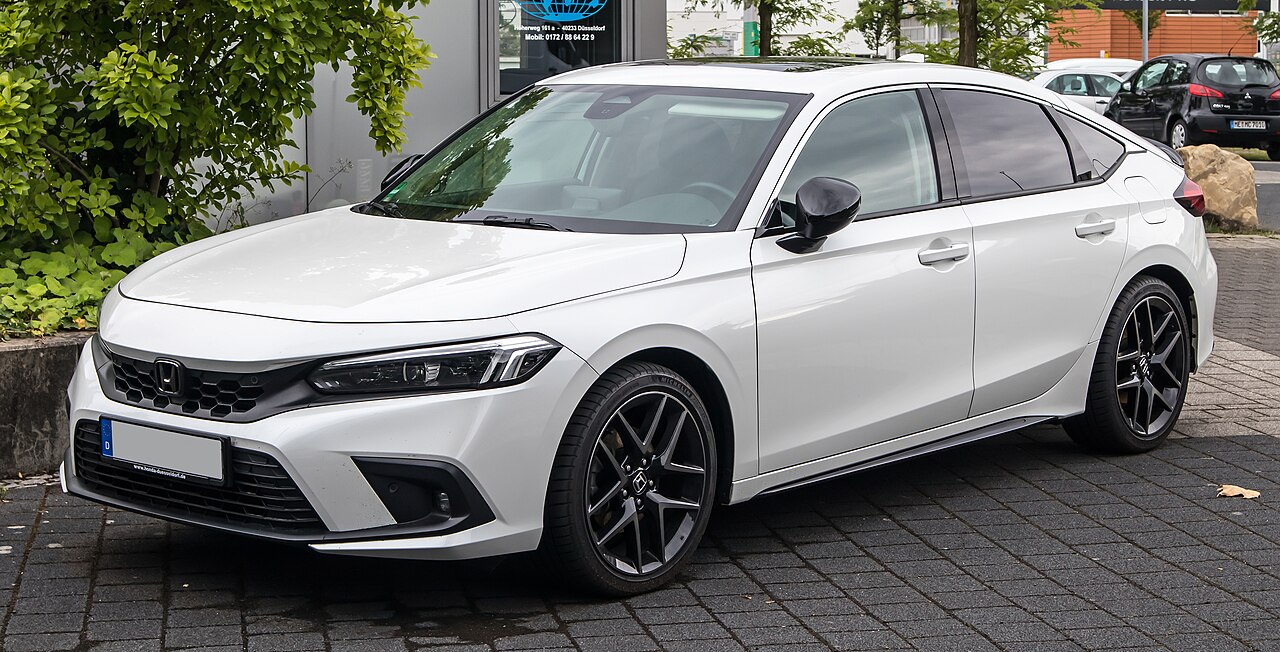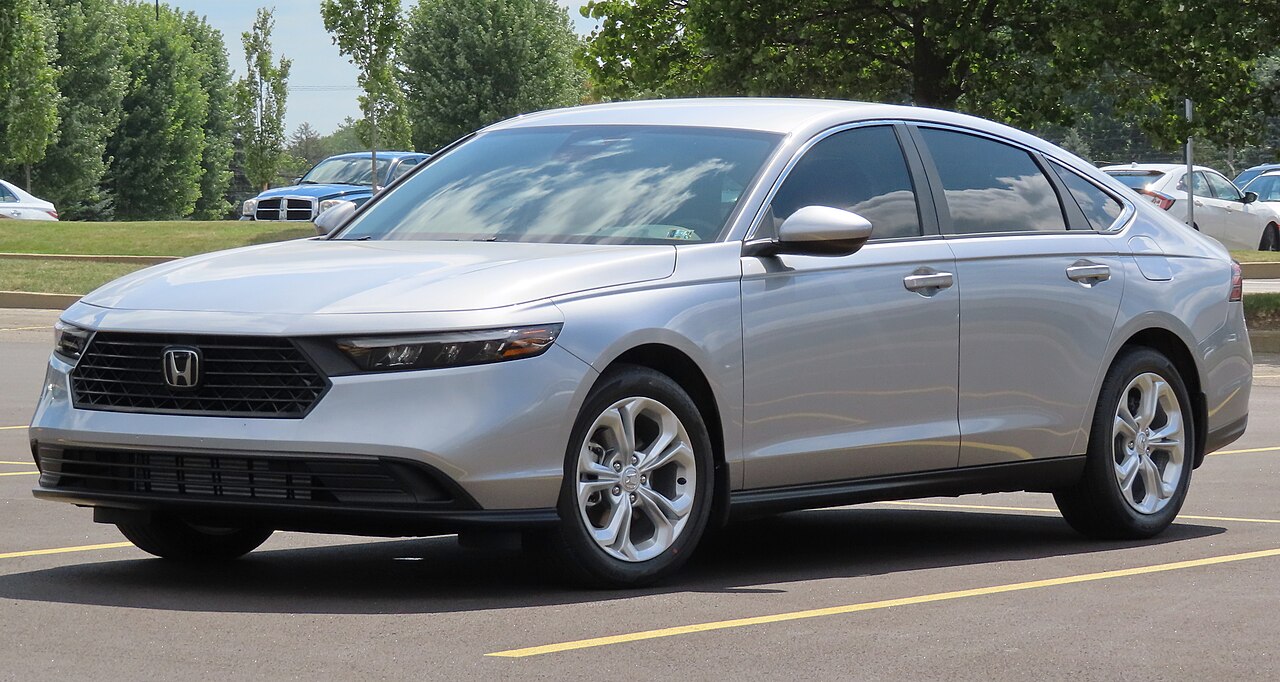
The Honda Accord launched in 1976 as a slightly larger, more upscale companion to the Civic. It grew into one of the best-selling family cars in the world, prized above all for its reliability and sensible packaging — the car you bought when you wanted something that would simply keep going.
Generations and evolution
First to third generations (1976–1985)
The Accord established itself as a compact-to-midsize sedan and hatchback, growing in size and refinement with each generation.
Fourth to sixth generations (1985–1997)
The Accord became a true midsize competitor and, in some markets, a design leader, with the fourth-generation 'cockpit' styling a high point.
Seventh generation onward (2002–present)
A global, increasingly sophisticated family sedan and coupe, now hybrid-equipped and still a benchmark for dependability.
Design language and the silhouette
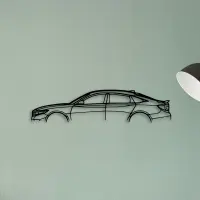
Sensible, clean and unshowy: the Accord's silhouette has always favoured space and aerodynamics over drama, evolving from upright 1970s lines to today's sleek, aero-optimised shapes. Because we cut every Tinvibe piece from 2 mm steel to the car's true outline, the traits that make the Honda Accord recognizable — its roofline, stance and key details — are exactly what the metal keeps, in matte black powder coat across five sizes from 50 cm to 140 cm.
Production, sales and availability
Honda has sold the Accord in the millions across its generations, making it one of the best-selling car lines in history; we don't quote a single lifetime figure because Honda reports sales by year and region.
The Accord in the Tinvibe collection
We cut the Honda Accord as a laser-cut steel silhouette in five sizes from 50 cm to 140 cm, finished in matte black powder coat. The designs below are drawn from our catalogue for this nameplate.