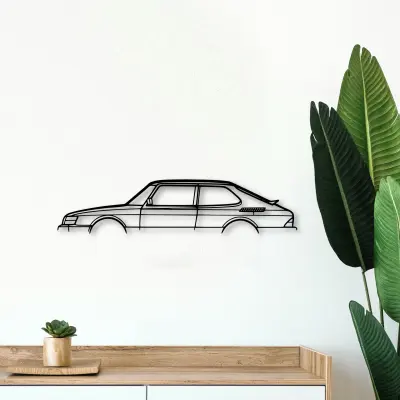
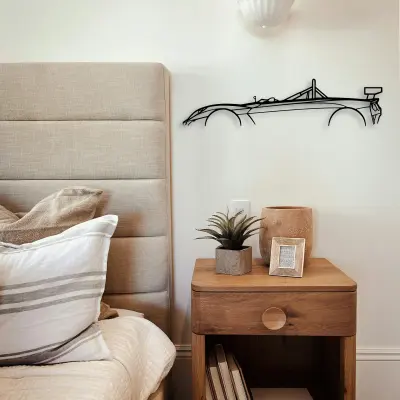
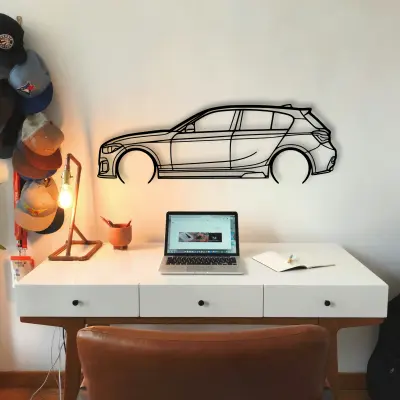
Most photos of wall decor fail for one reason: they fight the piece. A Volvo shape wants clean light and a calm background, not a clever setup.
The Volvo pieces in our range are cut from sheet metal and delivered ready to mount, with the price stepping from $69.95 at 50 cm to $209.95 at 140 cm — a range that lets the same outline work by a workstation or across a full wall.
More than one on the panel
A row of Volvo outlines, each a different car, turns a wall into a timeline you can read at a glance.
Build the set
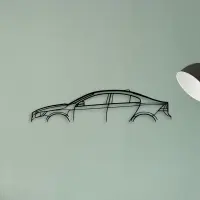
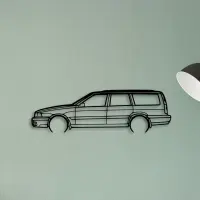
Reading it from across the room
A Volvo shape has to work at distance, not just up close. At 120 cm it keeps its identifying line legible from the other end of the room.
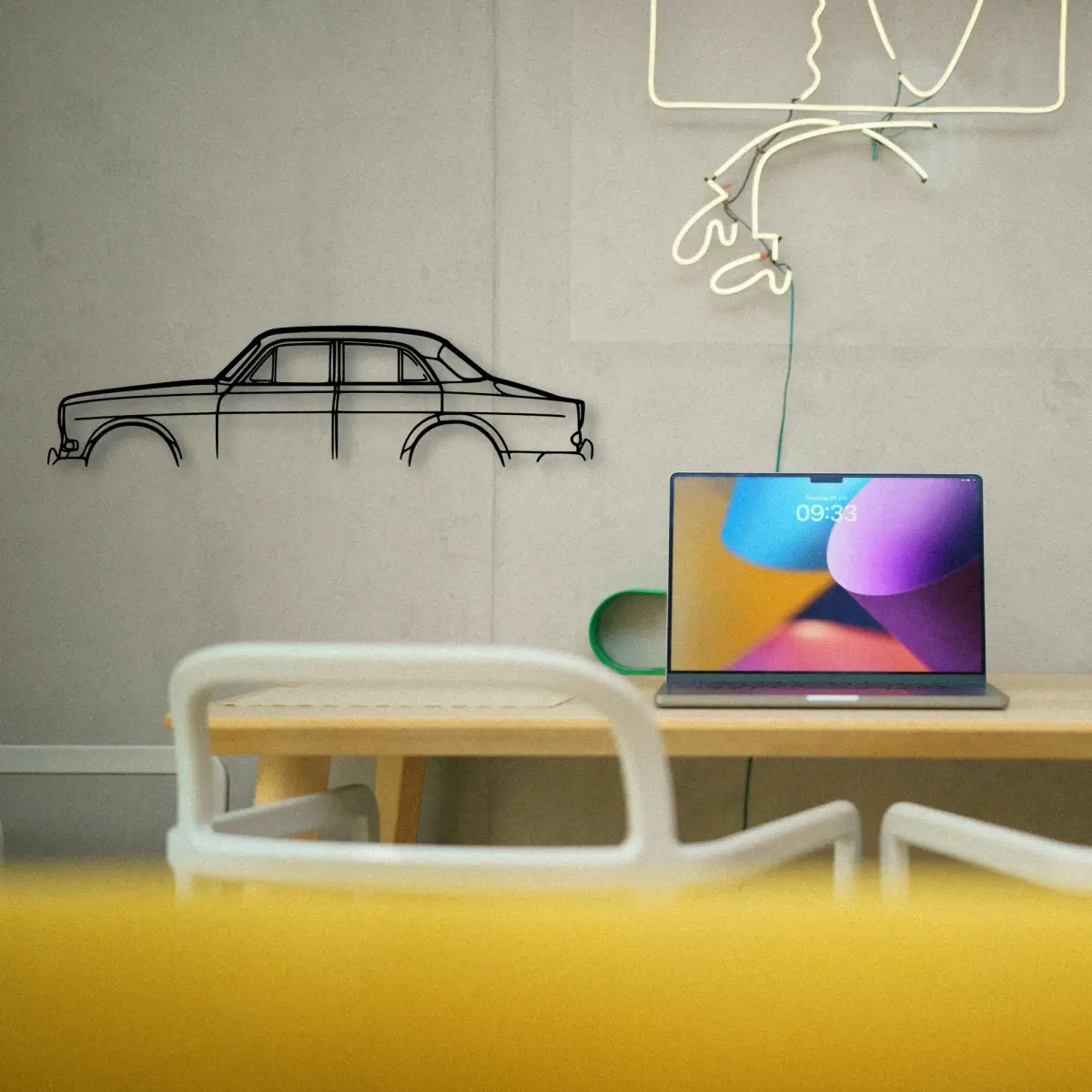
Morning versus afternoon
A Volvo outline changes character with the sun. Shoot it twice and keep the frame that matches your room.
Why it suits a shed wall
Garages reward honest shapes. The Volvo cut from steel belongs there in a way a framed poster never quite does.
Era written into the line
You can often date a Volvo by its roof alone. The cut keeps those period cues so the shape reads as a moment without a caption.
Five options, one outline
Five options, one outline. The Volvo is offered from a 50 cm shelf piece up to a 140 cm statement, all cut to the same profile.
- 50 cm — a shelf or a study; an accent, not a feature.
- 80 cm — still modest, but reads across a doorway.
- 100 cm — the safe feature-wall default.
- 120 cm — for rooms where the car is the subject.
- 140 cm — the full statement piece.
Colour is optional here. The outline carries the identity, so the panel behind it can stay exactly as it is.
A piece does not need a frame to feel finished. The cut edge is the frame.
Grouping works when the shapes contrast. A long low outline next to a tall upright one reads as a conversation, not a pile.
Recognition is the whole point. The outline is built so the car reads before the words do.
The right size is the one you forget to notice because it fits the panel so well.
Cut metal has a weight that printed art lacks. The shadow it casts is part of the piece, not an accident of the light.
Placement is a quiet decision. Natural sightline for a hero wall, slightly above a worktop, and well clear of a door swing that would clip it.
Maintenance is close to nothing. A quick dust is enough; there are no frames to chip and no glass to clean.
The room sets the size. A busy wall wants a bigger outline to hold its own; a calm wall lets a smaller piece breathe.
Depth comes from the shadow. The gap between metal and wall is part of the composition, not a flaw.
Start with one. A single correct piece teaches the eye what the rest of the panel should do.
A shape travels. Move it between rooms and it still makes sense, because the shape is the message.
Hang two that differ in length, not in mood, and they read as a pair rather than a repeat.