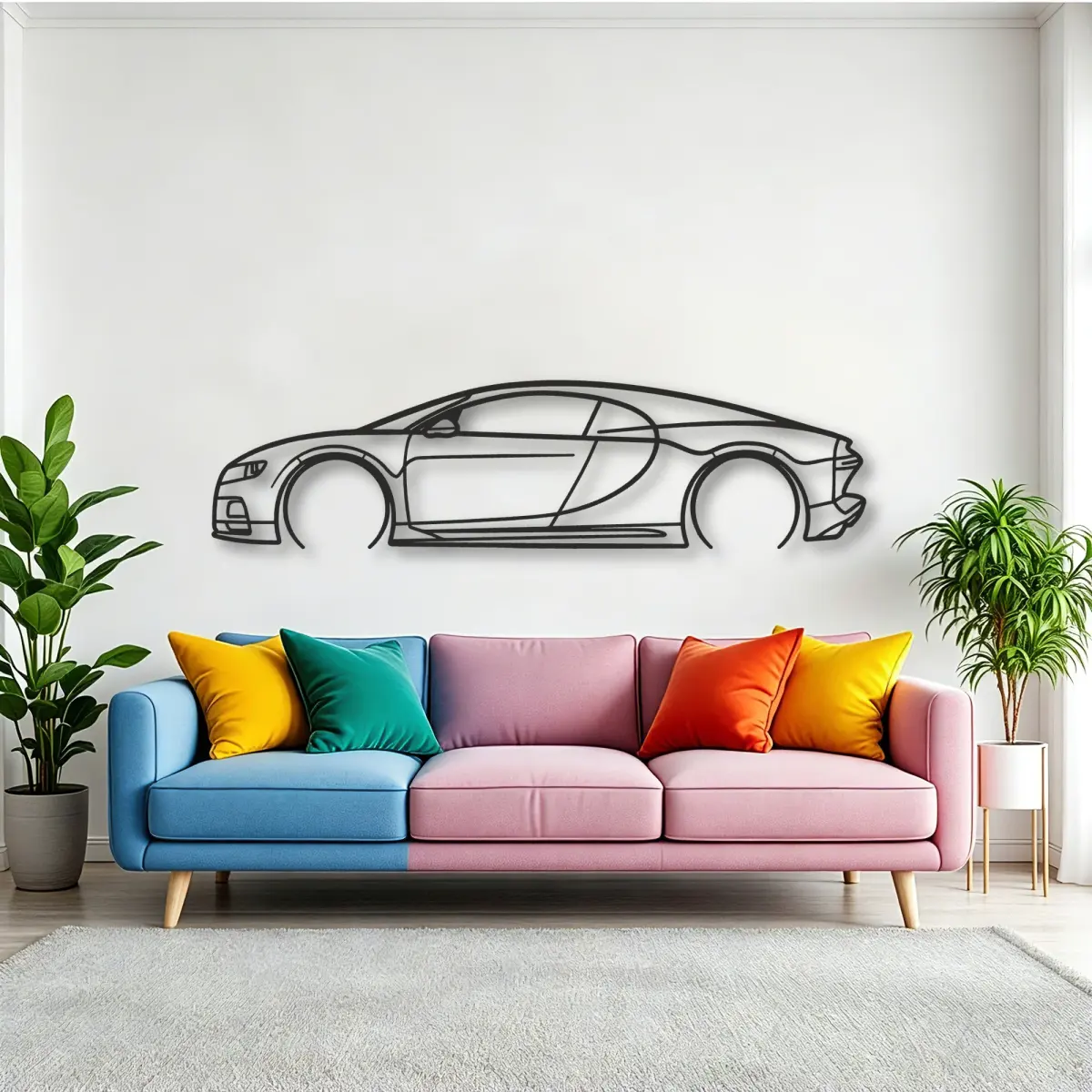
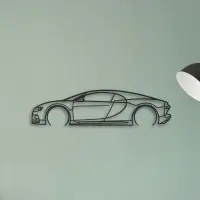
The Bugatti is the kind of shape people recognise instantly, which is why it works as both a road companion and a memory on the panel.
The Bugatti pieces in our range are cut from sheet metal and delivered ready to mount, with the price stepping from $69.95 at 50 cm to $209.95 at 140 cm — a range that lets the same outline work by a workstation or across a full wall.
Five options for the memory
Every Bugatti shape comes in the same five options: 50 cm, 80 cm, 100 cm, 120 cm and 140 cm. The price steps with the size, from $69.95 to $209.95.
- 50 cm — a shelf or a study; an accent, not a feature.
- 80 cm — still modest, but reads across a doorway.
- 100 cm — the safe feature-wall default.
- 120 cm — for rooms where the car is the subject.
- 140 cm — the full statement piece.
A small kit, a clear boot
A Bugatti enthusiast's boot is a study in less. The fewer the extras, the more the drive itself shows.
More than one on the panel
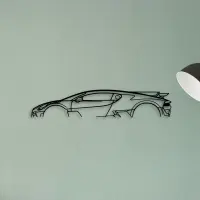
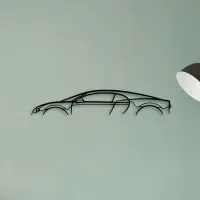
If you collect drives, let the Bugatti be one of a set with a rule. Next to its rivals, the differences are obvious.
Build the set
Why it suits a shed wall
A Bugatti in cut metal belongs in the spaces cars actually live in. Over a workbench or a parked car it reads instantly.
Honest material, no colour
Because the Bugatti comes in bare cut metal, every proportion is exposed. That is harder than a photograph, and it is why a good outline feels earned.
Give it room to mean something. A shape left alone on a clear wall says more than the same shape lost in a crowd.
The shadow line is the second drawing. Where it falls tells you as much as the metal itself.
A profile on the panel is a quiet kind of confidence. It does not shout the spec sheet; it simply states the shape.
Placement is a quiet decision. Natural sightline for a hero wall, slightly above a worktop, and well clear of a door swing that would clip it.
A single strong subject is easier to live with than a wall that argues with itself.
Quiet rooms suit a smaller shape; loud rooms need one that can hold its own from across the space.
Think in edges, not pictures. The cut defines the object, and the shape defines the cut.
Small changes in height read as care. Keep the horizon line steady when you group more than one.
Metal keeps its line. Unlike paper, it will not curl, fade, or bow under a warm lamp.
Grouping works when the shapes contrast. A long low outline next to a tall upright one reads as a conversation, not a pile.
Colour is optional here. The outline carries the identity, so the panel behind it can stay exactly as it is.
A row of identical small frames fights itself. One larger outline settles the panel instead.
The best wall pieces are the ones you stop seeing as decor and start reading as a subject.
Hang two that differ in length, not in mood, and they read as a pair rather than a repeat.