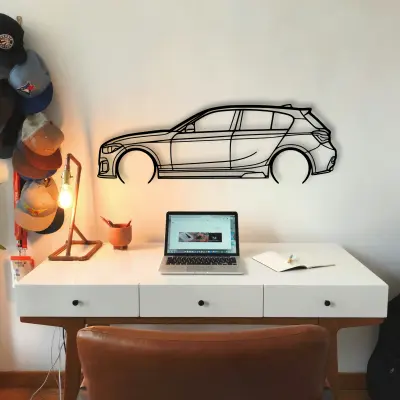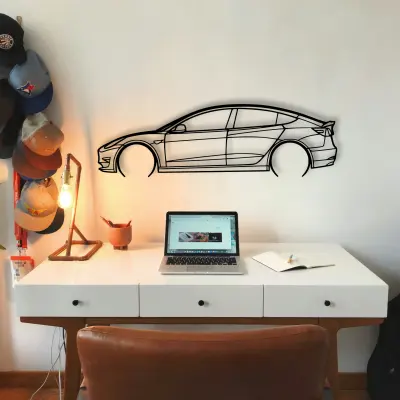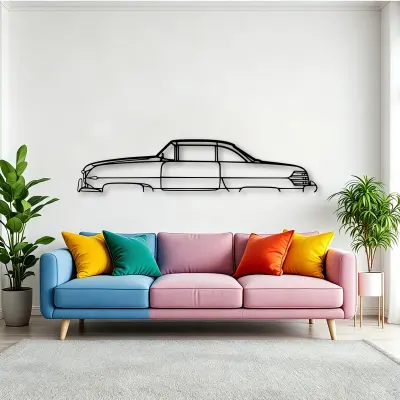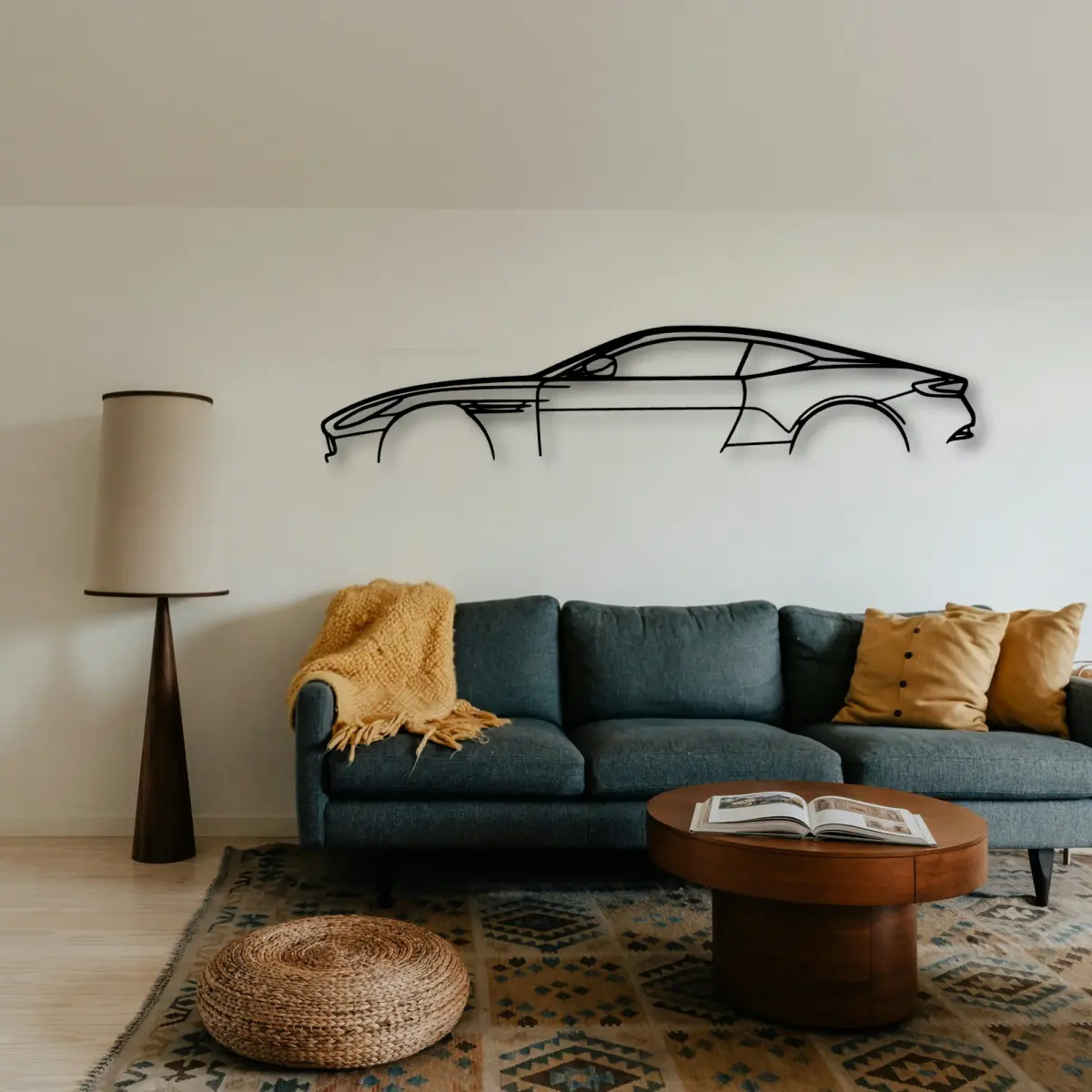
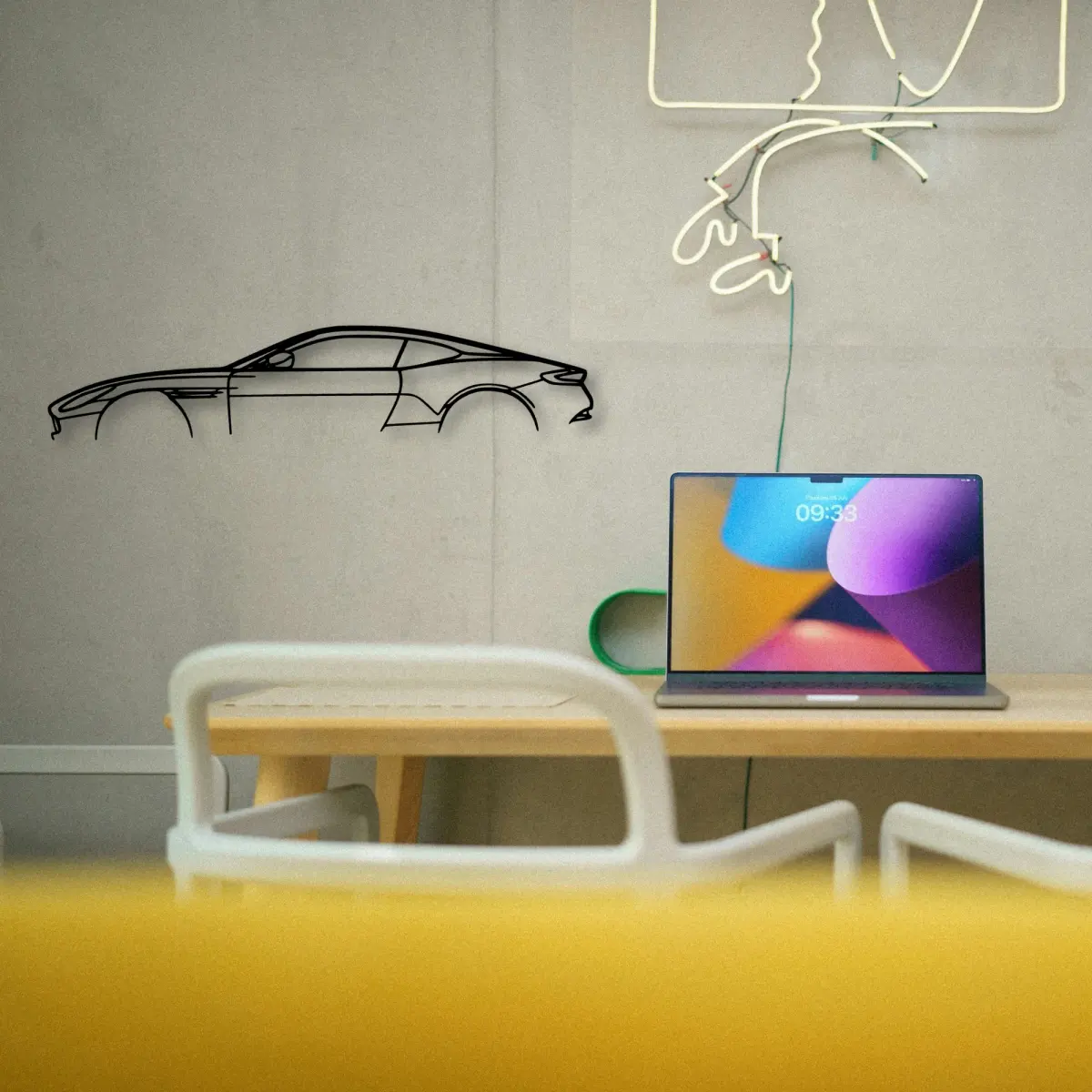
Most photos of wall art fail for one reason: they fight the piece. A Aston Martin silhouette wants clean light and a calm background, not a clever setup.
The Aston Martin pieces in our range are cut from sheet metal and delivered ready to mount, with the price stepping from $69.95 at 50 cm to $209.95 at 140 cm — a range that lets the same outline work by a workstation or across a full wall.
Tap to lock exposure
Before you shoot a Aston Martin cutout, tap the metal to lock exposure so the edge doesn't blow out. Then compose and fire.
Phones are enough
You do not need a camera to photograph a Aston Martin silhouette. A phone, held steady and square to the wall, captures the line perfectly well.
Reading it from across the room
Up close you admire the cut; from across the room you recognise the Aston Martin. The piece is designed so both readings land.
Why it suits a garage wall
Garages reward honest shapes. The Aston Martin cut from steel belongs there in a way a framed poster never quite does.
Step back, then crop
A Aston Martin silhouette shot with space around it crops into a stronger picture than one taken nose-on and tight.
Five sizes, one outline
Five sizes, one outline. The Aston Martin is offered from a 50 cm shelf piece up to a 140 cm statement, all cut to the same profile.
- 50 cm — a shelf or a study; an accent, not a feature.
- 80 cm — still modest, but reads across a doorway.
- 100 cm — the safe feature-wall default.
- 120 cm — for rooms where the car is the subject.
- 140 cm — the full statement piece.
More than one on the wall
A row of Aston Martin outlines, each a different car, turns a wall into a timeline you can read at a glance.
Build the set
A single strong subject is easier to live with than a wall that argues with itself.
Start with one. A single correct piece teaches the eye what the rest of the wall should do.
Resist the urge to fill. An empty margin around the outline is what makes it feel considered.
A silhouette ages better than a photograph. There is no moment to date it and no colour to fall out of fashion.
Read it from the doorway, not up close. The whole point is the gesture the line makes at a distance.
The best wall pieces are the ones you stop seeing as decor and start reading as a subject.
Hang two that differ in length, not in mood, and they read as a pair rather than a repeat.
Small changes in height read as care. Keep the horizon line steady when you group more than one.
Light from the side reveals the cut; light from the front flattens it. Aim for the reveal.
Wall art works best when it earns its place rather than filling a gap. A single well-chosen outline does more than a row of hesitant decoration.
A piece does not need a frame to feel finished. The cut edge is the frame.
Think in edges, not pictures. The cut defines the object, and the shape defines the cut.